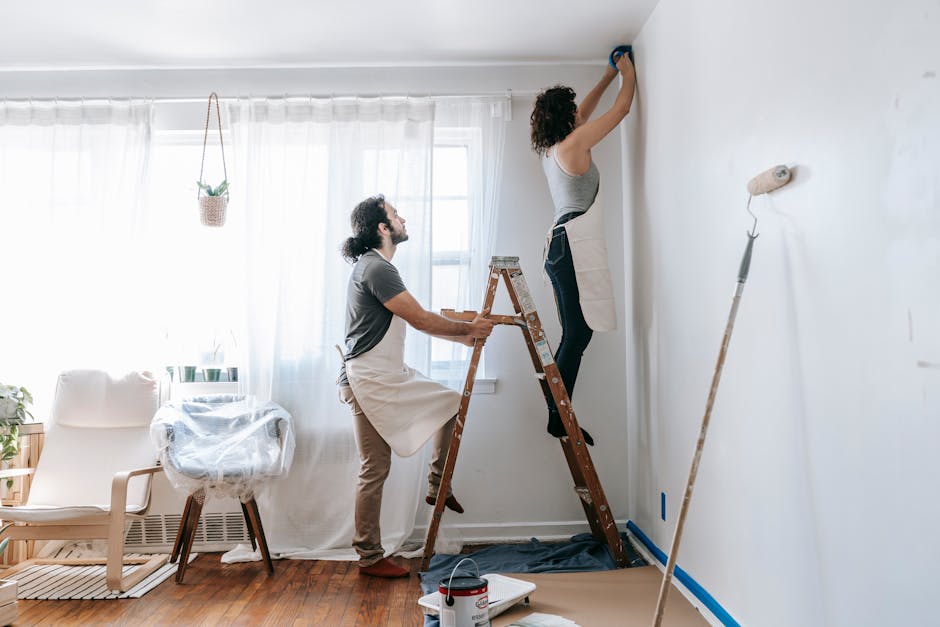
You've spent the day carefully selecting the perfect shade, maybe a warm 'Abeokuta Beige' or a calming 'Lekki Blue', and after hours of hard work, your walls are freshly coated. But the paint just won't dry. In Nigeria's humid climate, this is a common issue that can leave homeowners frustrated and confused. It's not just about the time wasted, but also the potential damage to the aesthetic of your walls.
Before you consider repainting or hiring a professional, there are several troubleshooting steps you can try. This guide will walk you through practical solutions when the usual drying methods fall short.
Understanding the Basics of Paint Drying
The Role of Temperature and Humidity
Temperature and humidity are key players in the drying process. Ideally, paint should be applied in a space that's around 24°C (75°F) with 40% to 70% humidity. However, in Nigeria, these conditions can be challenging to achieve.
"The key to successful paint drying lies in controlling the environment as much as the application."
Types of Paint and Their Drying Time
Different paints dry differently. Oil-based paints, popular for their durability, tend to dry slower compared to water-based paints. Understanding these differences can help set realistic expectations.
Step-by-Step Troubleshooting Guide
Checking Ventilation
Poor ventilation is often the culprit. Ensure windows are open and fans are running to facilitate airflow. Consider using a dehumidifier if possible to balance indoor conditions.
- Open Windows: Allow fresh air to circulate.
- Use Fans: Position fans to direct airflow towards the painted area.
- Dehumidifiers: These can help, especially during the rainy season.
Using the Right Tools and Techniques
Sometimes, it's not the environment but the tools and techniques. Use high-quality brushes and rollers to apply thin layers of paint, allowing each to dry before the next.
- Thin Coats: Apply thin, even layers of paint.
- Quality Brushes: Ensure even application and reduce drying time.
Dealing with Persistent Issues
Re-Evaluating Paint Choice
If your paint continues to struggle with drying, it might be worth reconsidering the type of paint used. Consult with local paint suppliers to choose brands known for better performance in humid conditions.
Professional Consultation
If all else fails, seeking professional advice might be your best bet. Experienced painters can provide insights tailored to your specific environmental challenges.
"When DIY fails, a phone call to a professional might save time and effort in the long run."
Common Myths and Misconceptions
"More Paint Covers Better"
A common myth is that a thicker coat covers better and dries faster. In reality, it can trap moisture, prolonging drying times.
"All Paints Are the Same"
Another misconception is that any paint will do. Local climates demand specific formulations for optimal results.
Conclusion
Dealing with paint that won't dry can be frustrating, but understanding the factors at play and utilizing the right techniques can turn it around. Remember, patience and the right environmental adjustments are key in achieving that flawless finish. And if you're ever in doubt, don't hesitate to reach out to professionals who understand Nigerian conditions well.