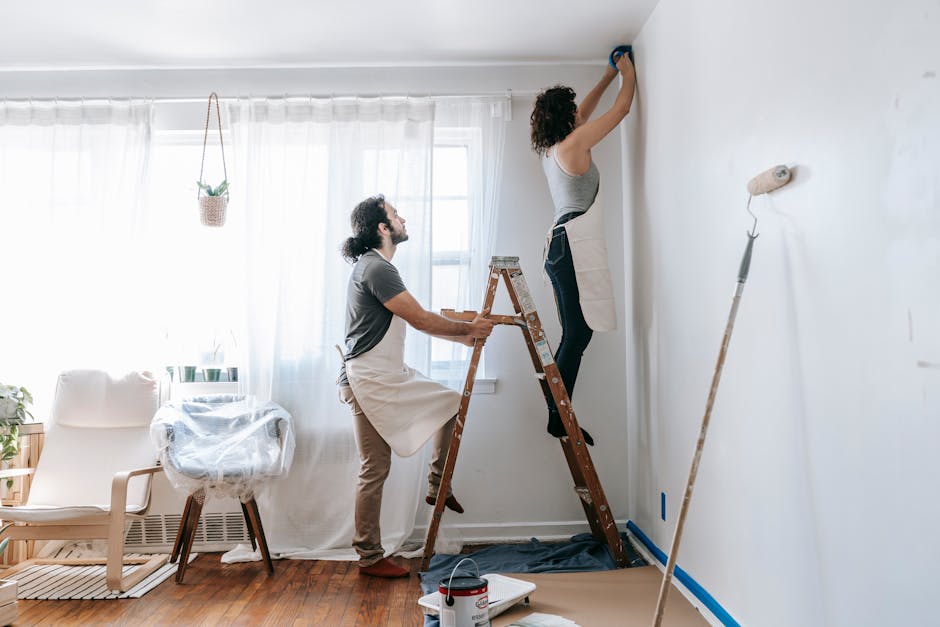
Painting your home can be a rewarding DIY project, giving your space a fresh look and feel. However, a host of myths surrounding DIY painting can lead to disappointing results if not addressed. Whether you're planning to paint your living room in Lagos or a cozy bedroom in Abuja, understanding these myths versus facts will ensure a smooth and successful painting experience.
In this article, we'll dissect common DIY painting myths and present the facts, so you can make informed choices for your next home project. Let's paint the right picture together!
Myth 1: All Paints are Created Equal
One of the most persistent myths in DIY painting is that all paints are essentially the same, so you might as well choose the cheapest option. This couldn't be further from the truth.
Fact: Quality and Type Matter
Paints differ significantly in terms of quality, durability, and finish. For instance, a low-quality paint might save you money upfront but could require more coats and might not last as long.
- Quality: High-quality paints offer better coverage, durability, and finish. They often contain higher levels of pigments and binders, ensuring a more vibrant and long-lasting color.
- Type: Consider the specific needs of your project. For example, use satin or eggshell paint for living rooms because it's easy to clean, or go for mildew-resistant paint in bathrooms.
"Investing a bit more in quality paint can save you time and money in the long run."
Myth 2: You Don't Need Primer
Another widespread misconception is that primer is unnecessary, especially if you're painting over a light-colored wall. Some might think it's just an extra expense without real benefit.
Fact: Primer is Critical for a Smooth Finish
Skipping the primer might seem tempting, but it plays a crucial role in the painting process.
- Sealing and Coverage: Primer helps seal the surface, ensuring that the paint adheres better and provides a uniform appearance.
- Stain Blocking: Use primer to prevent stains or previous colors from bleeding through your new paint.
For Nigerian homes, dealing with high humidity can also mean that primer helps in preventing moisture-related issues.
Myth 3: One Coat is Enough
The idea that a single coat of paint is sufficient is a tempting shortcut. However, this often results in a patchy and uneven finish.
Fact: Multiple Coats Enhance Durability and Appearance
While some paints advertise as 'one-coat coverage', multiple coats usually yield better results.
- Uniformity: Two coats ensure color consistency and hide any underlying imperfections.
- Durability: Additional coats provide a stronger barrier against wear-and-tear.
"Don't shortcut the process. A little more effort upfront can lead to stunning results."
Myth 4: You Can Paint Anytime
Many DIY enthusiasts believe they can paint anytime they like, without considering weather conditions. This is a crucial oversight, particularly in Nigeria where the climate can be extreme.
Fact: Timing Matters for Optimal Results
Painting during the right conditions can make a significant difference.
- Humidity and Temperature: High humidity and extreme temperatures can affect the drying time and adhesion of the paint.
- Ideal Conditions: Aim to paint during milder weather conditions. Early mornings or late afternoons during the dry season often provide the best environment.
Consider your local weather forecast to schedule your painting project.
Final Thoughts
DIY painting is a fantastic way to personalize your home. By understanding the myths and facts presented here, you're better equipped to tackle your next project with confidence. Remember, investing a bit more time in preparation and choosing the right materials can make all the difference. Whether you are sprucing up your space in Lagos or Abuja, make sure to paint with facts, not myths!


