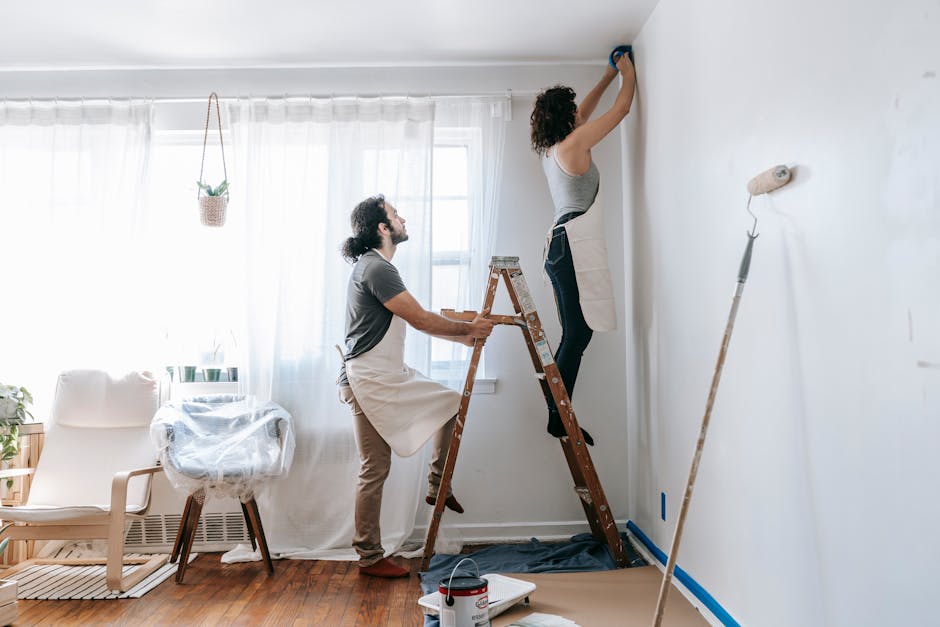
Choosing the right paint for your walls can feel like a daunting task, especially if you're new to the world of DIY home improvements. The vast array of colors, finishes, and brands can overwhelm even the most decisive shopper. But fear not! Whether you're a beginner looking to brighten up your living space or an experienced DIYer aiming for a professional finish, there's a perfect paint solution for you.
Let's delve into the nuances of selecting the ideal paint, considering both the needs of beginners and seasoned DIY enthusiasts. By understanding the different approaches, you'll be equipped to transform your walls with confidence and style.
Understanding Paint Types and Finishes
Beginner’s Guide to Paint Types
If you're just starting out, your primary concern will likely be finding a paint that's easy to use and forgiving of mistakes. Water-based paints, also known as latex paints, are an excellent choice for beginners. They're easy to clean with soap and water, dry quickly, and emit fewer volatile organic compounds (VOCs) compared to oil-based paints. They are perfect for interiors and come in various finishes such as matte, eggshell, and satin.
- Matte Finish: Ideal for hiding imperfections but more challenging to clean.
- Eggshell Finish: Offers a slight sheen and is easier to clean than matte.
- Satin Finish: More durable and moisture-resistant, suitable for high-traffic areas.
Experienced DIYer’s Paint Choices
As a seasoned DIY enthusiast, you might be ready to experiment with different paint types and finishes to achieve specific aesthetic effects. Oil-based paints are a popular choice for their smooth, rich finish and durability. However, they require mineral spirits for cleanup and longer drying times.
- Semi-gloss and Gloss Finishes: These are excellent for kitchens and bathrooms due to their moisture resistance and ease of cleaning.
- Chalk Paint: Great for achieving a vintage or distressed look on furniture and walls.
Choosing the Right Color Palette
Beginner’s Approach to Color Selection
For beginners, sticking to a neutral color palette is a safe bet. Whites, beiges, and light grays can make a room feel airy and spacious, providing a clean canvas for decor. If you crave some color, consider starting with an accent wall in a soft blue or green to add interest without overwhelming the space.
"A neutral base allows you to play with colorful accents in furnishings and accessories without committing to a bold wall color."
Advanced Techniques for Experienced Painters
Experienced painters often feel confident experimenting with bold colors and complex schemes. Consider using color theory to your advantage. Complementary colors, such as blue and orange, can create a dynamic look. Alternately, a monochromatic scheme using different shades of a single color adds depth and sophistication.
Remember, lighting plays a crucial role in how colors appear. Test samples in different lighting conditions before committing to a large area.
Preparation and Application Techniques
Basic Prep and Application for Beginners
Preparation is key to a successful paint job, and this step can make or break the final outcome. Ensure you clean your walls, fill any holes or cracks, and apply painter’s tape to trim and edges. When applying paint, use a roller for large areas and a brush for edges and corners. Apply two coats for even coverage.
Expert-Level Preparation and Techniques
For the experienced DIYer, advanced techniques can elevate your project. Consider using a primer to ensure better adhesion and a smoother finish, especially when transitioning from dark to light colors. A sprayer can provide a flawless finish for large areas but requires practice to master.
"Priming might seem like an extra step, but it can save you time and paint in the long run, particularly for drastic color changes."
Troubleshooting Common Painting Problems
Beginner Mistakes and How to Fix Them
Drips and uneven coverage are common pitfalls for beginners. If you notice drips, allow the paint to dry slightly, then sand the area with fine-grit sandpaper and repaint. For uneven coverage, ensure you're applying adequate pressure with your roller, and don't skimp on paint.
Advanced Troubleshooting Tips
Experienced painters often face issues like flashing or roller marks, especially with high-sheen finishes. To avoid these, maintain a wet edge by working swiftly in small sections and overlapping strokes. Mixing paint thoroughly before use can also prevent color inconsistencies.
Final Thoughts
Whether you’re just embarking on your DIY journey or you're a seasoned pro, selecting the right paint for your walls is crucial to achieving a satisfying result. Beginners should focus on easy-to-use products that allow for experimentation, while experienced DIYers can push boundaries with diverse finishes and bold colors. Remember, preparation is key, and don't rush the process. With patience and attention to detail, your walls can become a testament to your creativity and skill.