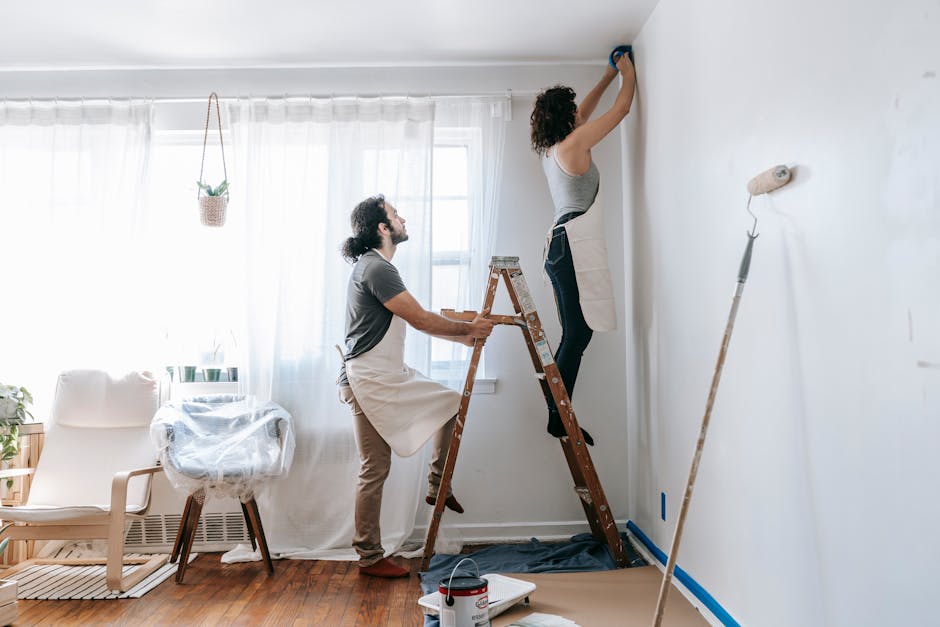
Painting a room can transform the entire vibe of your home, giving it a fresh, new look. For many Nigerians, this is often the most accessible DIY project that can be done over a weekend. However, whether you're picking up a brush for the first time or you've already painted a dozen rooms, the approach you take can significantly differ. In this article, we'll explore how beginners and seasoned DIY enthusiasts can approach painting a room to get the best results.
Let's face it, nothing beats the satisfaction of seeing a freshly painted wall. But the process can be daunting if you don't know where to start. For beginners, it's about taking the first step confidently. For more experienced individuals, it's about refining techniques and achieving a professional finish. Here's how the journey differs based on your experience level.
Getting Started: Planning Your Painting Project
For Beginners
As a beginner, the first thing you need to do is plan your painting project meticulously. You don't want to start painting on a whim. Instead, take time to choose the right colors that match or complement your existing decor. A trip to a local Lagos market can provide inspiration with its vibrant colors. Consider starting with a small room or even a single accent wall to gain confidence.
- Choose a color palette that feels right for your space.
- Invest in basic tools: brushes, rollers, painter's tape, and drop cloths.
- Watch YouTube tutorials specific to room painting.
For the Experienced
If you're more experienced, you likely have a good idea of what colors you want and how much paint to buy. Your focus can shift to perfecting the details and experimenting with new techniques like texture painting or ombre effects.
- Invest in high-quality brushes and rollers for better application.
- Consider doing an accent wall with a unique texture or stencil design.
- Use a paint calculator to estimate the amount you need precisely.
Preparing Your Space
For Beginners
Preparation is key to a successful paint job. For beginners, it means ensuring the room is ready for painting. This includes moving furniture and covering it with drop cloths, cleaning the walls, and applying painter's tape around edges and trim.
"Prepping your room might take as long as the painting itself, but it's worth every second," advises DIY expert Chika Nwosu.
- Clear the room or move furniture to the center.
- Use soap and water or a wall cleaner to remove dust and grime.
- Apply painter's tape carefully to avoid any paint bleeding.
For the Experienced
Experienced DIYers might streamline their prep process, knowing which steps are essential and which can be skipped without sacrificing quality.
- If repainting, consider lightly sanding walls to ensure new paint adheres well.
- Experienced painters might use masking film instead of painter's tape for a quicker setup.
- Repair any minor wall imperfections with spackle for a smooth finish.
The Painting Process
For Beginners
Once your space is prepped, it's time to start painting. Beginners should focus on getting the basic techniques right, like loading the brush or roller properly and maintaining even strokes.
- Start with the edges using a brush before moving to larger areas with a roller.
- Work in small sections, completing one wall at a time.
- Apply at least two coats for an even finish.
For the Experienced
Experienced individuals can focus on achieving a flawless finish and experimenting with techniques.
- Try cross-hatch rolling techniques for even coverage.
- Experienced painters often use an extender to keep the paint wet longer, reducing streaks.
- Experiment with advanced techniques like sponge painting for texture.
Post-Painting Cleanup
For Beginners
Proper cleanup is essential after painting. Beginners should focus on cleaning their tools thoroughly to ensure they can be reused for future projects.
- Wash brushes and rollers with soap and water for latex paints.
- Remove painter's tape while the paint is still slightly wet to avoid peeling.
- Ensure the room is well-ventilated to help with drying.
For the Experienced
Experienced DIYers might have a streamlined cleanup process, knowing what tools require immediate attention and which can wait.
- Use a wire brush to clean hardened paint from tools.
- Store leftover paint properly by sealing cans tightly to prevent drying.
- Know how to dispose of or recycle old paint responsibly.
Final Thoughts
Whether you're just starting out or have been painting for years, there's always room for improvement and innovation in any DIY project. Painting a room can be a rewarding experience that not only enhances your living space but also boosts your confidence in tackling future projects. Remember, the journey is just as important as the destination, so take pride in each step of the process.