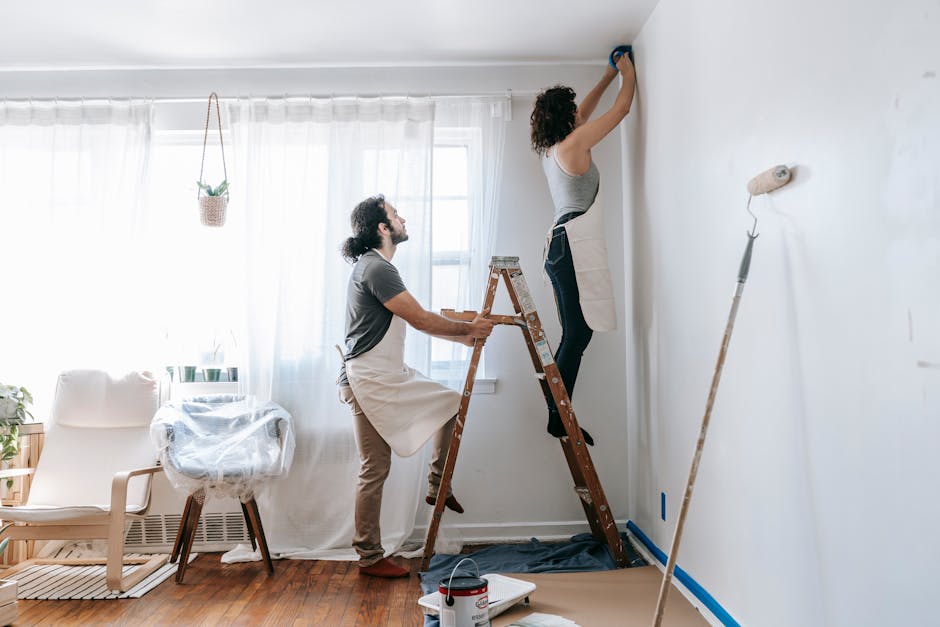
When I first set eyes on my Lagos apartment, it was a blank canvas filled with potential. The promise of transforming it into a cozy sanctuary was exciting, but I quickly learned that the journey would be fraught with challenges and lessons. If I could go back, there are a few things I would do differently to make the process smoother and more enjoyable.
In this retrospective, I recount the highs and lows of my DIY makeover, hoping to guide fellow enthusiasts through their own home transformation adventures. With insights into budgeting, material choices, and time management, I aim to help you avoid the common pitfalls I encountered.
Budget Management: Planning vs. Reality
One of my initial mistakes was underestimating the cost of materials and tools. Like many, I set a budget, but I quickly realized that my estimates were far from reality. Here's what I'd do differently:
Research and Realistic Estimates
Before diving into any project, conduct thorough research on the materials you'll need. I recommend visiting local markets or stores like Eko Market in Lagos to get a feel for prices. This will help you set a more accurate budget from the start.
- Itemize Costs: Break down your budget into specific categories such as paint, furniture, and décor. This provides a clearer overview of expenses.
- Include a Buffer: Allocate an extra 10-20% of your budget as a contingency fund for unforeseen expenses.
Track Your Spending
During my project, I lost track of spending, which led to overshooting my budget. To prevent this, I suggest using a simple spreadsheet or an app to monitor every purchase and keep your finances in check.
"Set realistic financial expectations and diligently track expenses to avoid budget overruns."
Material Choices: Quality Over Cost
Initially, I opted for cheaper materials to save money, which was a mistake. In the long run, quality matters more than immediate savings.
Invest in Durable Materials
For high-traffic areas like the living room or kitchen, choose durable materials that can withstand wear and tear. Consider quality brands or local artisans who provide good craftsmanship.
- Paint: Go for reputable brands that offer long-lasting finishes.
- Furniture: Select pieces made from solid wood or metal, which tend to last longer.
Though it might seem expensive initially, investing in quality can save you money on repairs or replacements later.
Time Management: The Art of Scheduling
Time management was another area where I faltered. My ambitious timeline didn't account for the inevitable delays and disruptions.
Create a Flexible Timeline
While planning your DIY project, allow for flexibility in your timeline. Life happens, and sometimes delays are unavoidable.
- Buffer Time: Add extra weeks to your schedule to accommodate unforeseen circumstances.
- Prioritize Tasks: Identify critical tasks and tackle them first to maintain momentum.
Avoid Overcommitting
I often found myself juggling too many tasks at once, which led to burnout. Prioritize your workload and focus on one project at a time for better results.
"Pacing yourself and allowing for flexibility can significantly reduce stress and improve project outcomes."
The Power of Community: Learning from Others
Don't underestimate the value of community feedback and advice. I learned this late in my journey but found it invaluable.
Engage with Local DIY Groups
Joining local DIY forums or groups can provide access to shared experiences and tips. In Lagos, communities like DIY Nigeria on Facebook can be a great resource.
- Network: Connect with fellow DIYers for support and inspiration.
- Seek Feedback: Don't hesitate to ask for advice or reviews on materials or techniques.
Collaborate on Projects
Consider teaming up with friends or family for larger projects. This not only makes the task more enjoyable but also brings in diverse skills and perspectives.
Conclusion
Reflecting on my DIY makeover journey, I realize that each mistake was a stepping stone to better understanding and more effective execution. For those embarking on their own projects, I hope my experiences and lessons can serve as a roadmap, helping you to create a home that truly reflects your vision without the stress and setbacks.