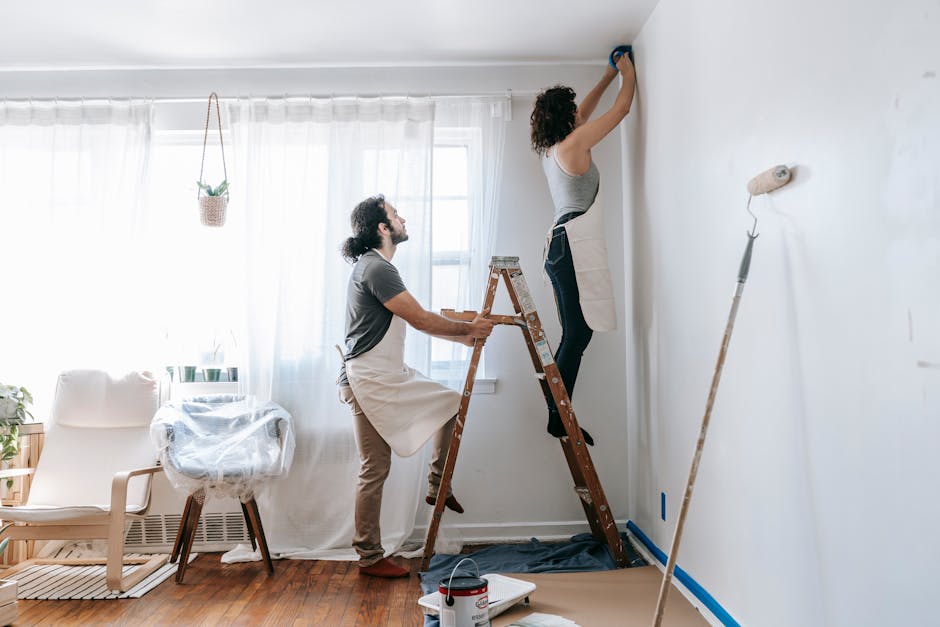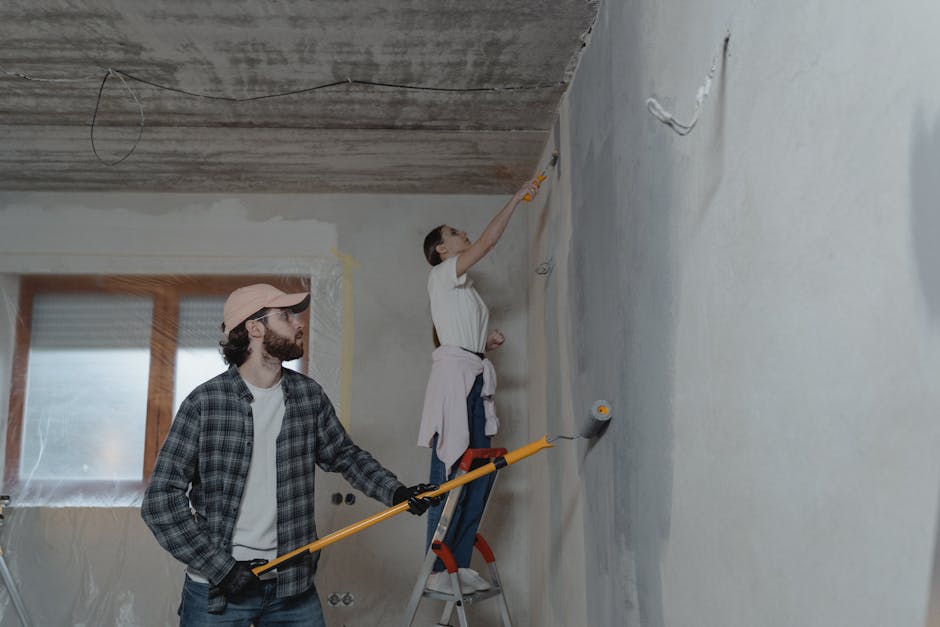
So, you've decided to give your walls a fresh look with a homemade paint concoction. It's an exciting feeling, right? You gather your supplies, mix your ingredients with precision, and apply that first coat. But to your dismay, it refuses to stick. What went wrong? This isn't just frustrating; it's a common DIY stumbling block. Let's dive into why your homemade paint might not be adhering and how to fix it.
Before you toss out that bucket of paint, let's address some potential issues. The problem might not be your paint at all. Sometimes, the surface or the method of application is the culprit.
Understanding the Role of Surface Preparation
Why Cleanliness is Crucial
Paint adheres best to clean, dry surfaces. Dust, grease, or mildew can prevent paint from sticking. Make sure the surface is thoroughly cleaned before applying paint.
- Grease and Dirt: Use a degreasing agent or soapy water to remove any grime.
- Mold and Mildew: A mix of water and bleach can help eradicate these.
The Importance of Priming
If you're skipping primer, that might be the root of your problem. Primer acts as a binding layer that helps paint stick better and last longer.
"A coat of primer is like a handshake before a meeting; it sets the tone for what's to come."
Examining Your Paint Mixture
Consistency Checks
Your paint's consistency is key. Too thick or too thin, and it won't adhere properly. Aim for a mix that smoothly drapes off a mixing stick.
- Thick Paint: Add small amounts of water to thin it out.
- Thin Paint: Mix in some more binding agent.
Ingredients Matter
Using the right ingredients in the correct proportions is crucial for good adhesion.
- Binders: Ensure your paint has enough binder, like latex or oil, to stick properly.
- Fillers: Too many fillers can weaken the adhesive properties of paint.
Environmental Factors at Play
Humidity Issues
High humidity can interfere with paint's drying process, causing it not to stick. Aim to paint on a dry day or use a dehumidifier.
Temperature Troubles
Too hot or too cold can also affect adhesion. The ideal temperature for painting is typically between 10°C and 30°C.
Application Technique Flaws
Brush vs. Roller
The tools you use can make a difference. Brushes are great for detail, but rollers cover larger areas more evenly.
"The right tool for the job can make all the difference, just like choosing between a spoon and a fork."
Layer Application
Applying too many layers too quickly can prevent proper drying. Allow each layer to dry before adding another.
Final Thoughts
Troubleshooting paint adhesion issues is more about patience and precision than anything else. By cleaning surfaces, adjusting environmental factors, and fine-tuning your techniques, you can save time and avoid frustration. Remember, every challenge is an opportunity to learn and improve your DIY skills.