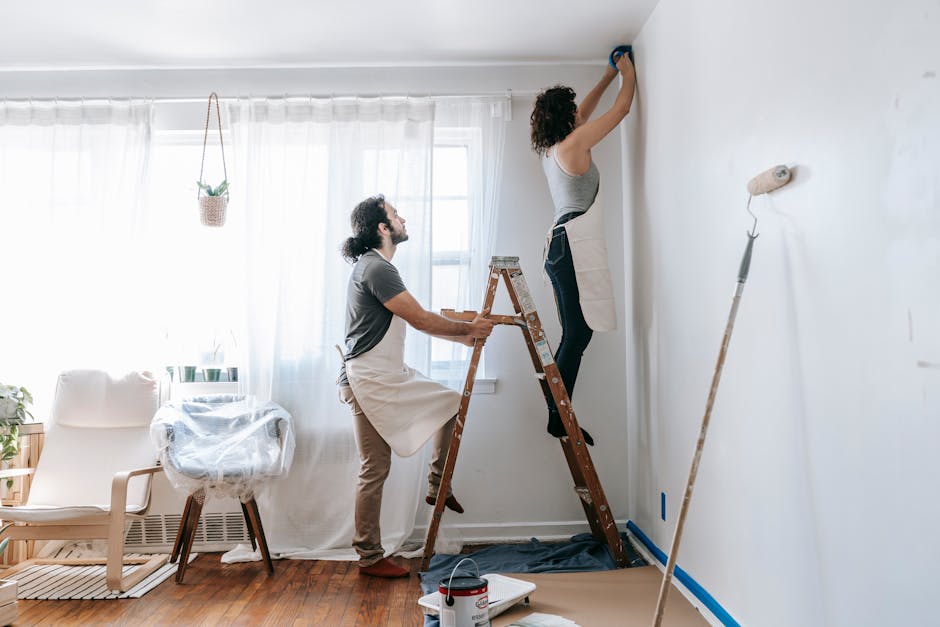
Picture this: you've chosen the perfect color to give your living room a fresh look. You've done your prep work, covered the furniture, and even managed to get paint on the walls without spilling a drop. But as the paint dries, it starts peeling or blistering. Talk about frustration! This is a common issue many DIY enthusiasts in Nigeria face, especially with our humid climate and varied wall surfaces. But fear not, we're here to help!
The problem of paint not sticking can be more than just a minor inconvenience; it can ruin your entire decor plan. If you’ve found yourself in this sticky situation, understanding why it happens and how to fix it can be a game-changer.
In this guide, we’re diving into the nitty-gritty of wall painting issues. From moisture control to choosing the right paint, we’ll tackle what to do when nothing seems to work. Let’s ensure your next painting project ends in success rather than frustration.
Understanding Why Paint Won’t Stick
The Role of Surface Preparation
Preparation is key when it comes to painting walls, yet it's often overlooked. If your paint isn’t sticking, chances are there’s something amiss with how the surface was prepped.
- Improper Cleaning: Dust and grime can prevent paint from adhering properly. Always clean your walls thoroughly before painting.
- Old Layers of Paint: Sometimes, paint fails to stick because of old layers beneath. Consider scraping or sanding down older paints.
Before picking up that brush, ensure your walls are as clean and smooth as possible.
Humidity and Moisture Issues
Nigeria’s climate is no stranger to humidity. Moisture on walls can cause paint to peel or blister, making it a common problem here.
- Check for Leaks: Ensure there are no hidden leaks in your walls which could lead to moisture buildup.
- Use Dehumidifiers: Especially in the rainy season, a dehumidifier can help control excessive moisture.
By controlling moisture, you can significantly improve paint adhesion.
Choosing the Right Paint and Tools
Importance of Quality Paint
The type of paint you use can make a big difference in the outcome of your project. Not all paints are created equal.
- Invest in Quality: A cheaper paint might save money initially, but quality paints adhere better and last longer.
- Consider Paint Additives: Products like mildew-resistant additives can help in humid climates.
Don't compromise on paint quality if you want a lasting finish.
Selecting the Right Tools
The right tools are crucial for applying paint evenly and effectively. Using old or the wrong brushes and rollers can lead to poor adhesion.
- Brush Quality: Invest in high-quality brushes for a smooth application.
- Matching Rollers to Paint Type: Use rollers suited to the type of paint you are using.
A fresh coat of paint deserves fresh tools. They're worth the investment.
Troubleshooting Common Paint Problems
Peeling and Blistering
If your paint is peeling or blistering, it’s a sign that something went wrong. Here’s how to tackle these issues:
- Scrape and Sand: Remove the damaged paint layer. Sand the edges to smooth the surface.
- Prime the Surface: Use a primer suitable for the wall material before repainting.
Tip: “Always test a small area before committing to a full repaint. This can save you time and headache!”
Discoloration and Streaking
Uneven coloring and streaking can be frustrating. These issues typically arise from improper mixing or application.
- Stir Thoroughly: Always mix your paint well to ensure color consistency.
- Use Even Strokes: Apply paint in long, even strokes to prevent streaks.
Remember, patience is key. Take your time for the best results.
Preventing Future Paint Adhesion Problems
Regular Maintenance
After solving your current paint woes, consider a maintenance plan to prevent future issues.
- Regular Inspection: Periodically check your walls for signs of damage or peeling.
- Humidity Control: Continue to manage moisture levels in your home, especially in wet seasons.
Prevention is always better than cure. A little upkeep can go a long way.
Professional Consultation
When all else fails, don't hesitate to consult a professional. They can offer insights specific to your wall conditions and climate.
- Seek Expert Advice: A professional painter can help diagnose persistent issues.
- Consider Professional Painting Services: For large projects, professional services might be more economical in the long run.
There's no shame in calling in the experts!
Conclusion
Patching up paint problems requires patience, skill, and sometimes a bit of detective work. But with the right approach and tools, you can overcome even the most stubborn paint adherence issues. Remember, the key is in understanding the root cause of the problem and addressing it accordingly. Happy painting!