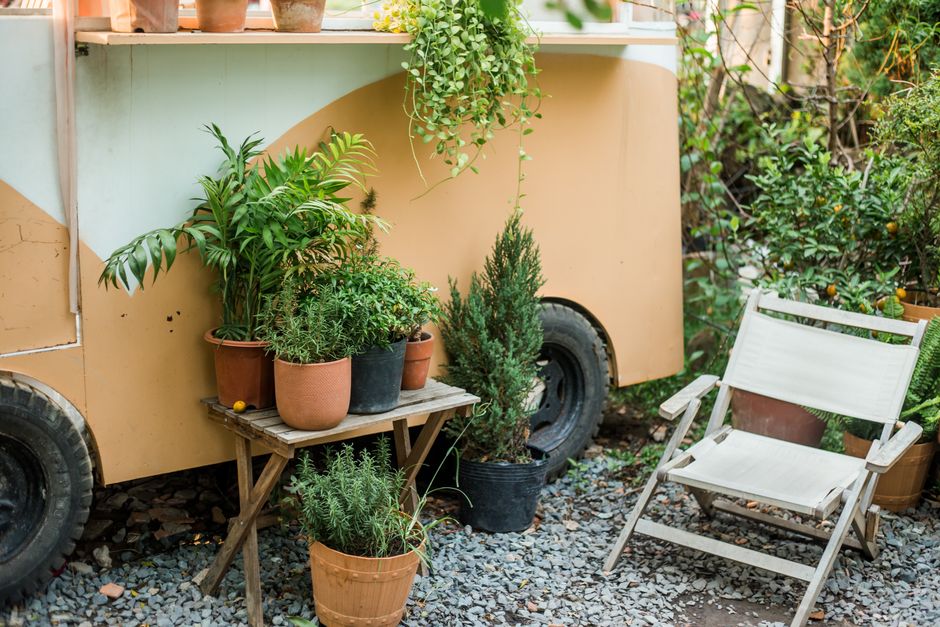
Every time I step into my backyard garden, a myriad of thoughts fill my mind. Watching the plants bloom and the vegetables thrive is truly rewarding. However, if I could turn back time, there are several things I would do differently.
Building a garden isn't just about planting seeds. It's an intricate dance of planning, patience, and knowledge. Let me take you through my journey and share what worked, what didn't, and how you can avoid my missteps.
Understanding the Climate
Lessons from Weather Patterns
In the beginning, I underestimated the significance of weather patterns in Nigeria's diverse climate zones. I assumed that all plants could thrive under the same conditions. I was wrong.
For instance, my tomato plants struggled during the rainy season. The excess water was too much for them. Retrospectively, I should have chosen crops better suited for heavy rainfall or invested in raised beds to improve drainage.
- Choose plants based on seasonal suitability.
- Consider raised beds to avoid waterlogging.
Soil Composition and Preparation
The soil's health is crucial for a thriving garden. Initially, I didn't test my soil, which led to nutrient imbalance in some areas. This was a mistake.
A simple soil test kit from a local agricultural store could have saved me from planting errors and nutrient deficiencies. A tip? Add organic matter regularly to improve soil health.
"A healthy garden starts with healthy soil. Don't skip this step."
Choosing the Right Crops
Experimenting with Local versus Exotic Plants
While I was excited to try exotic plants, I found that local varieties were more resilient and required less care. Okra and pepper thrived much better than the foreign bell peppers I attempted to grow.
- Start with native plants that are adapted to local conditions.
- Experiment with exotic plants only when you have more experience.
Understanding Plant Compatibility
Companion planting is an art I wish I had mastered from the start. Some plants, like tomatoes and basil, benefit each other, while others, like onions and beans, should be kept apart.
"Research companion planting to boost your garden's productivity."
Irrigation: The Lifeline
Setting Up an Efficient Watering System
Initially, I relied solely on manual watering. It was exhausting and inefficient. A drip irrigation system, though costlier upfront, would have saved water and time.
Rainwater Harvesting: An Untapped Resource
Another oversight was ignoring rainwater harvesting. Given Nigeria's seasonal rains, setting up barrels to collect rainwater could have been a game-changer in dry periods.
- Consider installing a drip irrigation system.
- Invest in rainwater collection to supplement water needs.
Pest Management
Natural Solutions Over Chemicals
Pests were a constant battle. I initially resorted to chemical pesticides, which harmed beneficial insects. In hindsight, integrating natural pest control, like neem oil or introducing predatory insects, would have been wiser.
"Natural pest control preserves beneficial insects and the ecosystem."
Regular Monitoring
Frequent monitoring could have caught infestations early. A simple walk through the garden every morning could help in spotting early signs of trouble.
- Use natural pest control methods.
- Monitor plant health regularly to catch issues early.
Final Thoughts
Building a backyard garden was a journey filled with trials and errors. While I made mistakes, each one taught me invaluable lessons about nurturing a garden in Nigeria. With these insights, I'm better equipped for the next planting season, and I hope you are too.
Remember, gardening is about growth — not just of plants, but of yourself. Embrace the journey, learn from it, and you'll cultivate not just a garden, but a labor of love.