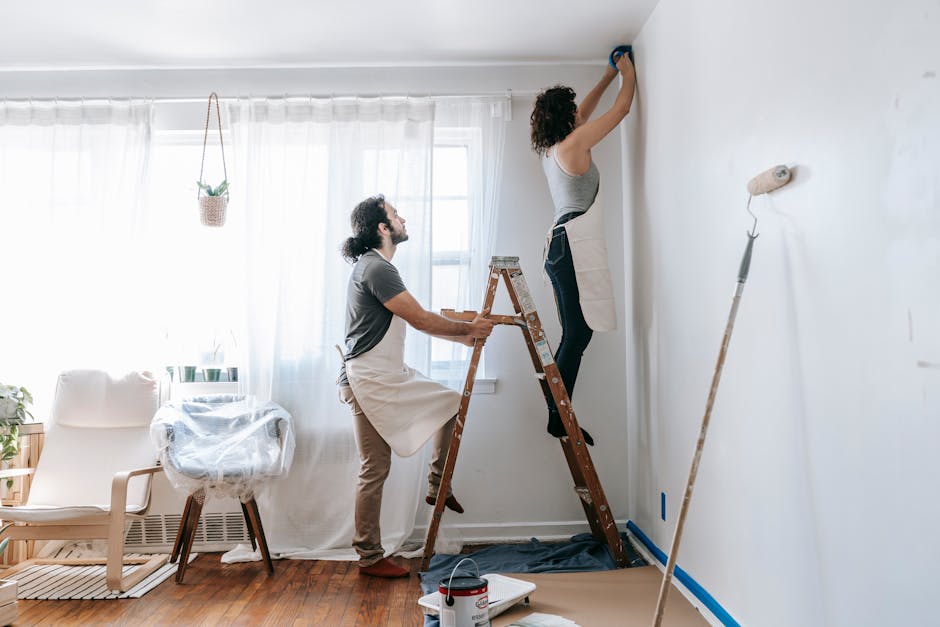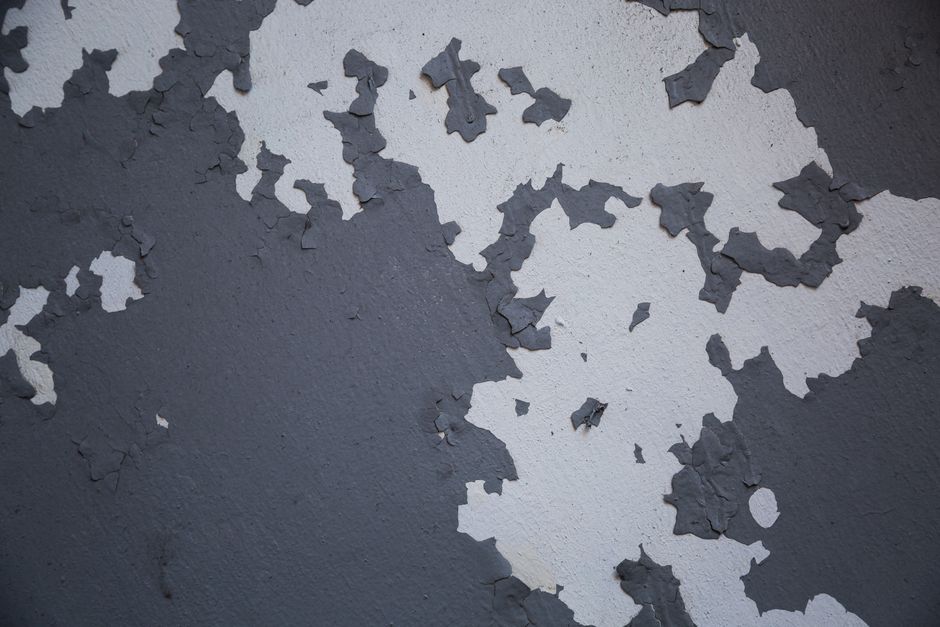
Imagine this: you’ve just finished painting your living room wall with your favorite shade of blue. The walls look immaculate and the room feels fresh. But just a few weeks later, the paint starts peeling. It’s a common problem in many Nigerian homes, especially during the rainy season when humidity levels soar. If conventional methods have left you frustrated, you're not alone.
The peeling of paint can be quite a nuisance, not only because it detracts from the aesthetic appeal of your home, but also because it can signal deeper issues like water leakage or poor ventilation. So, what can you do when the obvious solutions aren’t working? This troubleshooting guide will arm you with creative strategies to tackle paint peeling, keeping your walls looking pristine despite the challenges of a humid climate.
Understanding the Causes of Paint Peeling
Moisture: The Silent Culprit
Nigeria’s climate, especially in regions prone to heavy rainfall, can be unforgiving to painted surfaces. Moisture is often the primary cause of paint peeling. It seeps through walls and weakens the bond between the wall and the paint.
Tip: Consider installing a dehumidifier in areas with persistent humidity to help control moisture levels.
Inadequate Surface Preparation
Skipping proper surface preparation is like building a house on sand. Without a stable foundation, your efforts will crumble. Walls that aren't cleaned or primed can lead to poor paint adhesion.
- Cleaning: Always ensure that walls are free from dust, grease, and old paint before starting.
- Priming: Choose a primer specifically designed for your wall’s material.
Poor Quality Paint
Sometimes, the problem is as simple as using the wrong type of paint. In humid climates, paint needs to be mold-resistant and durable.
Invest in high-quality, weather-resistant paints. Brands that are well-known for enduring harsh weather conditions can be a worthwhile investment.
Innovative Solutions for Persistent Peeling
Waterproof Coatings
If your walls are prone to water seepage, waterproof coatings can be a game-changer. These apply as a clear coat over your paint, providing an extra layer of protection against moisture.
Look for products like waterproofing emulsions, which can be applied over existing paint without altering its color or finish.
Ventilation and Air Circulation
Good ventilation can significantly decrease humidity levels. Ensure windows are frequently opened and consider installing exhaust fans in areas like the kitchen and bathroom.
Quick Fix: Use a ceiling fan to improve airflow, reducing the likelihood of moisture accumulation on walls.
When Additional Help is Needed
Consulting a Professional
If the problem persists despite your best efforts, it may be time to consult a professional. They can conduct an in-depth analysis to identify underlying issues, such as structural defects or hidden leaks.
Look for local experts who specialize in dealing with humidity-related paint issues. Their experience can save you time and money in the long run.
Advanced Materials and Techniques
Sometimes, traditional methods aren’t enough. Consider using advanced materials like elastomeric paint which can stretch and return to its original form, offering superior durability in humid conditions.
These paints can be applied over existing paint jobs and offer flexibility that prevents cracking and peeling.
Final Thoughts
Paint peeling in Nigerian homes, particularly in areas with high humidity, can be more than just an aesthetic issue. Understanding the root causes and exploring innovative solutions can save you from endless repainting. Whether it’s upgrading your paint, improving ventilation, or consulting with professionals, these strategies can help keep your walls looking pristine and vibrant. Remember, tackling the problem at its source is always more effective than treating the symptoms.