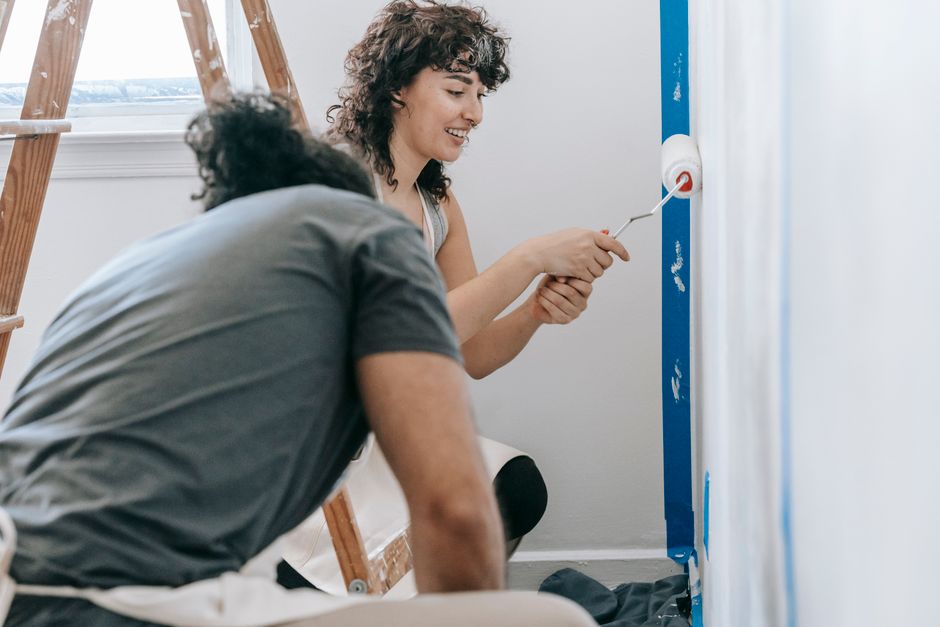
There's something transformative about painting a room. It's an opportunity to refresh your space, change your surroundings, and even shift your mood. Whether you're taking on your first painting project or tackling a renovation as an experienced DIY enthusiast, the journey is unique at every stage. Here's how the approach to painting a room evolves from novice to pro.
The Beginner's First Brushstroke: Painting Your First Room
Starting with painting can be both exciting and daunting for a novice. The idea of turning a plain wall into a vibrant expression of your personality is enticing, but where do you begin?
Choosing Your Colors
For beginners, color selection often starts with personal preference. A vibrant yellow for energy or soft blue for calm might catch your eye. However, it's important to consider the room's lighting. Natural light can make colors appear different, and a small swatch can make a big difference in perception.
- Tip: Test a few sample pots on your wall before deciding.
- Tip: Consider how the color complements your existing furniture.
"Your first painting project is about learning and exploring what colors bring you joy."
Gathering Supplies
A beginner's toolkit typically includes a roller, a paint tray, and a few brushes. Opt for a medium-nap roller if you're painting walls with some texture. Don't forget painter's tape to keep the edges clean and drop cloths to protect your floors.
The Experienced DIYer: Renovating with Paint
For those with a bit of painting experience under their belt, each new project is an opportunity to refine techniques and explore creative possibilities. Renovating with paint can completely transform a space.
Advanced Color Techniques
Experienced painters may experiment with color blocking or ombre effects. These techniques add depth and dimension to a room. You might also consider an accent wall to highlight architectural features or artwork.
- Tip: Use a laser level for precise lines in color blocking.
- Tip: Plan the gradient with a color wheel when attempting ombre.
"Experimentation and mastery of techniques set apart a pro from a novice in painting."
Professional Tools and Finishing Touches
With experience comes the knowledge of which tools enhance efficiency. A high-quality angled brush might replace the standard brushes for cutting in, and an extension pole can save time and effort on ceilings.
Applying a topcoat or varnish can also protect your paint job and give it a polished look, making all the difference in high-traffic areas.
Navigating Common Challenges at Different Stages
Whether beginner or pro, challenges in painting are unavoidable. However, how you tackle them will differ based on experience level.
Dealing with Imperfections
Beginners might find drips and uneven strokes frustrating. Sanding these areas lightly after they dry can smooth them out. For pros, the challenge might be achieving the perfect shade or finish, which requires patience and sometimes a second or third coat.
Time Management
Beginners may underestimate the time needed for prep and drying. Pros, however, might schedule painting in phases to allow for drying and airing out the room between coats.
When to Call in the Professionals
Despite best efforts, some projects may require an expert touch. High ceilings, intricate plasterwork, or a large-scale project might be daunting even for experienced DIYers.
Knowing Your Limits
It's crucial to recognize when the expertise of a professional painter is needed. This doesn't mean you're not capable, but rather that your time and safety are valued.
Consulting with a professional can also provide insights into color trends and the latest painting techniques that can enhance your home.
Conclusion
Painting a room, whether as a beginner or seasoned DIY enthusiast, is a rewarding venture. Each project is a lesson in creativity, patience, and skill. By understanding the differences in approach and embracing the learning curve, you can transform any space into a reflection of your style.