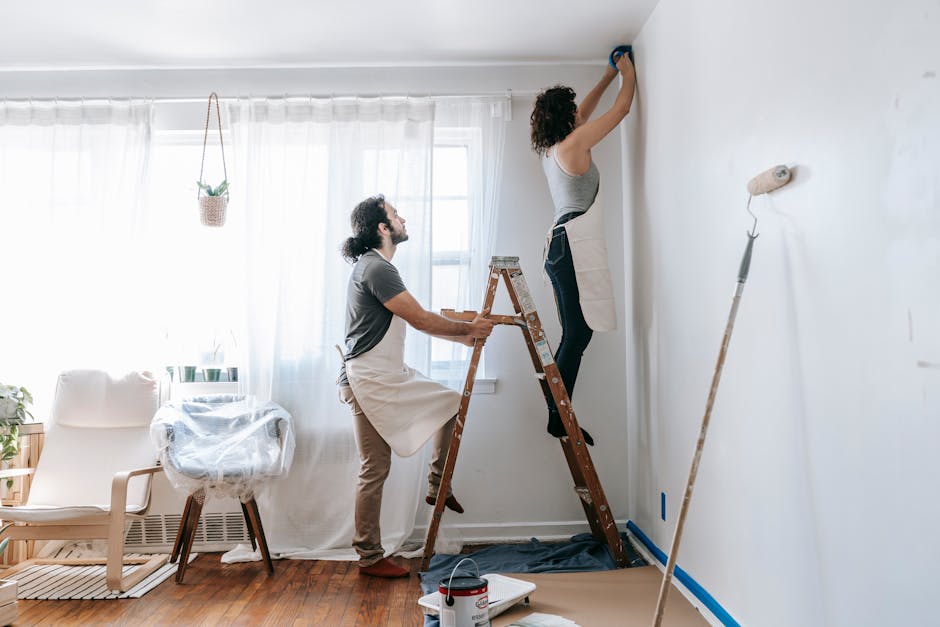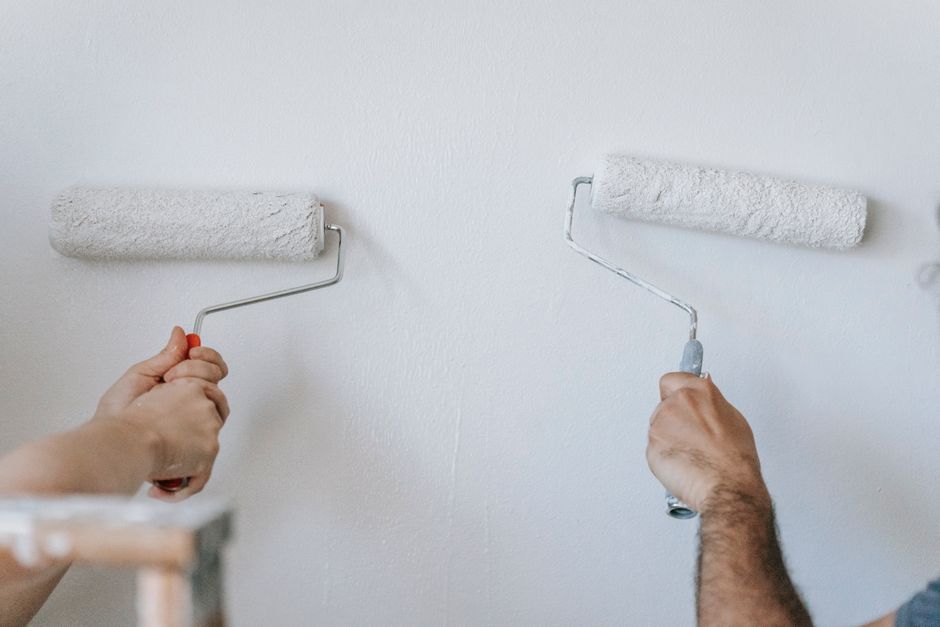
You've spent a weekend painting your walls, hoping for smooth, vibrant results. Instead, you're left with streaks and uneven patches that just won't go away. Frustrating, right? Before you consider giving up or starting over, let's explore some troubleshooting tips that can help you achieve that perfect finish.
Wall painting is a common DIY project, especially popular in Nigerian homes where adding a personal touch is cherished. However, when the usual approaches don't work, it can feel daunting. Let's delve into why streaks happen and how to combat them effectively.
Understanding the Cause of Streaks
The Role of Paint Quality
One major culprit behind streaky walls is the quality of the paint itself. Low-quality paints often lack the sufficient pigmentation needed for an even coat. This can be especially problematic in humid climates like Nigeria's, where moisture affects paint consistency.
Improper Application Techniques
Sometimes, the issue lies not in the paint, but in how it's applied. From using the wrong brush to incorrect layering techniques, these mistakes can lead to streaks. It's crucial to match your tools to your specific wall type for best results.
Environmental Factors
Believe it or not, the environment plays a role in your paint's finish. High humidity levels can slow down drying time, causing paint to drip or smudge. Conversely, painting in very dry conditions can cause the paint to dry too quickly, leading to visible brush marks.
Solutions to Common Painting Issues
Choosing the Right Paint
- Invest in Quality: Opt for brands known for their good coverage and durability. While this may cost more initially, it saves you money on touch-ups and repaints.
- Consider the Finish: For high-traffic areas, satin or semi-gloss finishes can be more forgiving than flat paints.
Optimizing Application Techniques
- Use the Right Tools: A high-quality roller is essential for large areas, while brushes are better for edges and corners.
- Practice Consistency: Apply even pressure and use long, continuous strokes. This helps in distributing the paint evenly.
Expert Tip: "Always start painting from the top of the wall working your way down. This reduces the chances of drips."
Adjusting for Environmental Conditions
- Control Humidity: Use a dehumidifier or fans to maintain optimal drying conditions.
- Avoid Extremes: Choose to paint on days when the weather is mild. Avoid very humid or dry days.
Advanced Troubleshooting Techniques
Dealing with Persistent Streaks
Already have streaks despite your best efforts? Try lightly sanding the affected areas with fine-grit sandpaper. Then, apply a fresh coat with improved techniques.
Testing a Small Area First
Before you tackle a whole room, test your paint and technique on a small, less visible section. This can save you from widespread issues and allow adjustments to your approach.
Preventing Future Issues
Regular Maintenance
After achieving the desired finish, regular maintenance will keep your walls looking fresh. Dusting and spot-cleaning can prevent dirt from affecting the paint's appearance.
Reassessing Your Tools
Over time, brushes and rollers wear out. Assess their condition before each project to ensure they don't contribute to streaks.
Final Thoughts
Painting can be a rewarding DIY project, enhancing the beauty and ambiance of your home. However, when challenges like streaks arise, it’s crucial to understand the underlying issues and how to address them. By investing in quality materials and employing strategic techniques, you can transform your walls into the seamless surfaces you've envisioned. So next time you pick up that brush, you'll do so with confidence, knowing these strategies are in your toolkit.