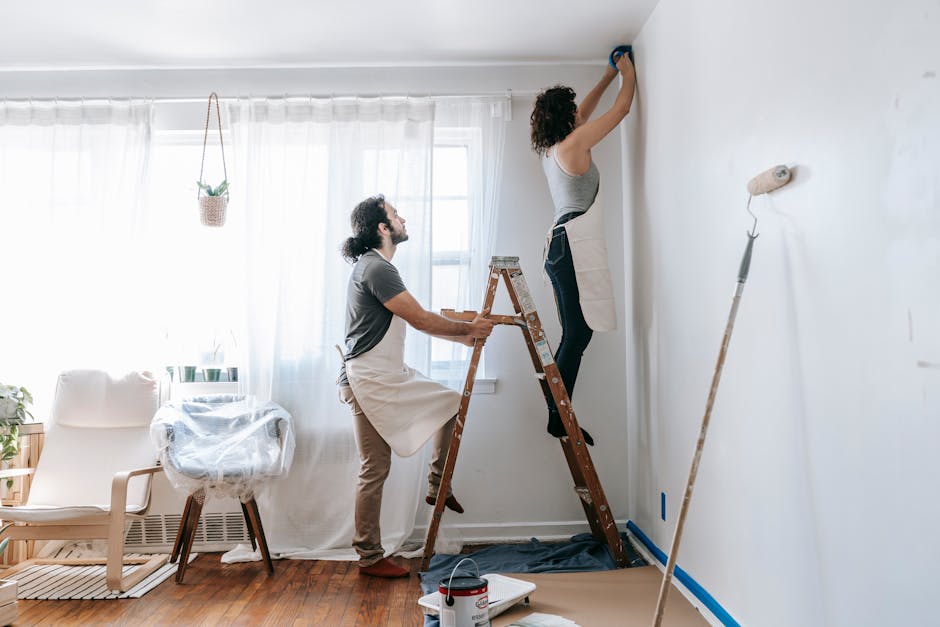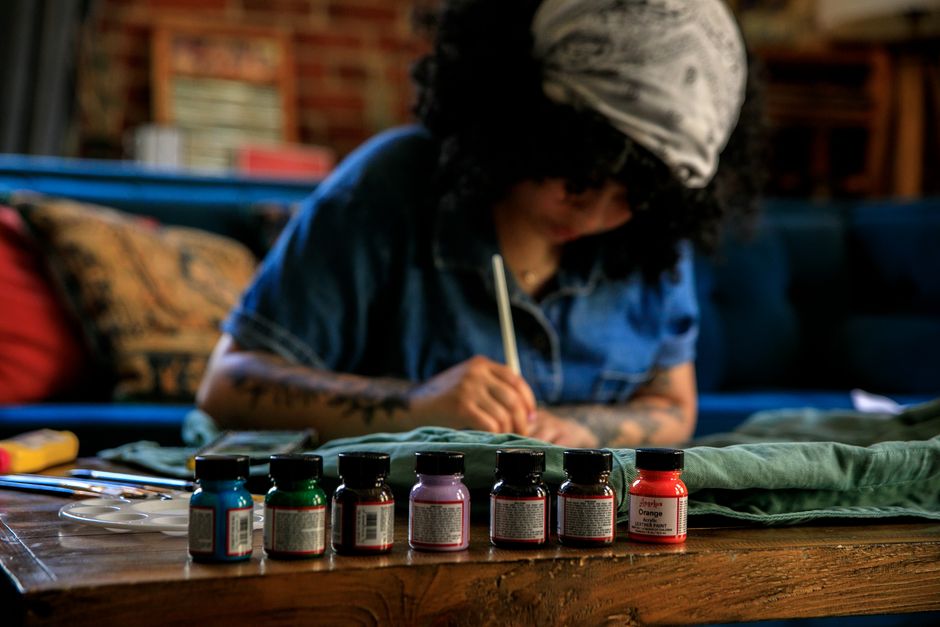
Hanging DIY wall art on your living room wall is more than just a decor choice; it’s a statement. For many, it's the difference between living in a house and calling it home. If you're in Nigeria and itching to enhance your space with personal creativity, DIY wall art is a thrilling journey that anyone can embark on, regardless of experience level.
When I first started, a blank canvas felt as daunting as a plain wall. I remember my first attempt vividly – it was a simple abstract piece with nothing more than a few jars of paint and a brush. Today, my art has evolved into intricate pieces that use mixed media and require thoughtful planning.
In this article, we will explore two paths: the beginner's route, where simplicity reigns supreme, and the more experienced creator’s avenue, where complexity delivers striking results. Whether you’re picking up a brush for the first time or adding to an established collection, there’s a place for everyone beneath this artistic umbrella.
Getting Started: Basic Concepts for Beginners
For beginners, the world of DIY wall art is both exciting and overwhelming. The key is to start simple and gradually evolve. The most important concept is understanding that art doesn’t have to be complicated to be beautiful.
Choosing the Right Materials
- Canvas and Paint: Begin with a blank canvas, easily available in Nigerian markets like Balogun Market in Lagos. Acrylic paints are beginner-friendly – they dry fast and are easy to work with.
- Brushes: A set of basic brushes will suffice. Look for a set that includes flat, round, and detail brushes to cover various techniques.
- Markers and Stencils: These can be used for adding patterns and details without the need for complex skills.
Simple Techniques to Try
- Abstract Patterns: Use broad strokes and let your creativity flow without a strict plan. This allows you to get comfortable with brushes and color blending.
- Stencil Art: Utilize stencils for cleaner lines and more structured designs. You can easily create geometric patterns or simple shapes.
- Collage Art: Incorporate magazine clippings or textured paper for a mixed-media approach that adds visual interest with minimal effort.
“The essence of art is its simplicity and the personal touch you bring to it.” – Local Nigerian Artist
Advanced Techniques for Experienced Creators
For those who have mastered the basics, it's time to elevate your skills. Advanced techniques involve complex designs and innovative materials. This level of art often becomes a centerpiece of conversation and admiration.
Explore Mixed Media
Experienced artists often combine different materials to create texture and depth. Think of combining paint with fabric, beads, or even dried leaves native to Nigeria’s diverse flora.
- Fabric Integration: Add swatches of Ankara or other local fabrics to your painting. This not only adds cultural flair but also significant texture.
- 3D Elements: Use lightweight materials like foam or clay to build three-dimensional aspects that stand out against the wall.
Experiment with Techniques
- Layering and Blending: Achieve depth by layering colors in translucent washes. This technique can create a sense of movement and light.
- Detailed Sketching: Incorporate finer details using pencils or fine liners after the paint has dried. This can add realism or enhance abstract designs.
- Textured Base: Use gesso or texture paste on the canvas before starting to paint, offering a tactile element that complements the visual.
“Art should comfort the disturbed and disturb the comfortable.” – Banksy
Incorporating Nigerian Culture
Both beginners and experienced creators can draw inspiration from Nigeria’s rich cultural heritage. Incorporating local elements not only makes your art personal but also celebrates our diverse history.
Use of Traditional Symbols
Include traditional Nigerian symbols or patterns, such as those from the Yoruba or Igbo cultures. These can be abstractly incorporated or replicated more precisely depending on your skill level.
- Adire Patterns: These are popular and can be recreated using paint or incorporated as a collage element.
- Uli Designs: Try using these geometric and organic patterns that are not only visually appealing but also steeped in cultural significance.
Color Palettes Reflecting Nigerian Landscape
Consider using a color palette inspired by the Nigeria we see every day – the earthy tones of Kano's landscapes or the vibrant colors of a Lagos market. These choices root your work in a sense of place.
“Let your surroundings inspire your art, for they are a wellspring of creativity.” – Nigerian Art Enthusiast
Displaying Your Art
Once your masterpiece is ready, it's time to showcase it. Whether you're a beginner or experienced, displaying your art properly can enhance its impact.
Choosing the Right Spot
Art is meant to be seen. Consider areas in your home where it will capture attention, such as over a sofa or in a hallway. It should complement the room’s color scheme and overall decor without clashing.
Framing and Hanging
- Frames: A simple frame can highlight the artwork, but for experienced artists, custom framing might be worth the investment for larger or more intricate pieces.
- Hanging Techniques: Make sure your art is at eye level for best viewing. For multiple pieces, consider a gallery wall approach, using even spacing and alignment for a cohesive look.
Conclusion
Whether you are just starting out or are an experienced artist, DIY wall art offers a canvas for self-expression that is both personal and profound. Beginners can take joy in the simplicity of creating something uniquely theirs, while seasoned creators can explore more complex techniques that push boundaries. In the heart of every piece is the creator's intent, made visible through color, form, and texture. So, grab your brushes and transform those blank walls into a personal gallery that speaks to your journey and passions.