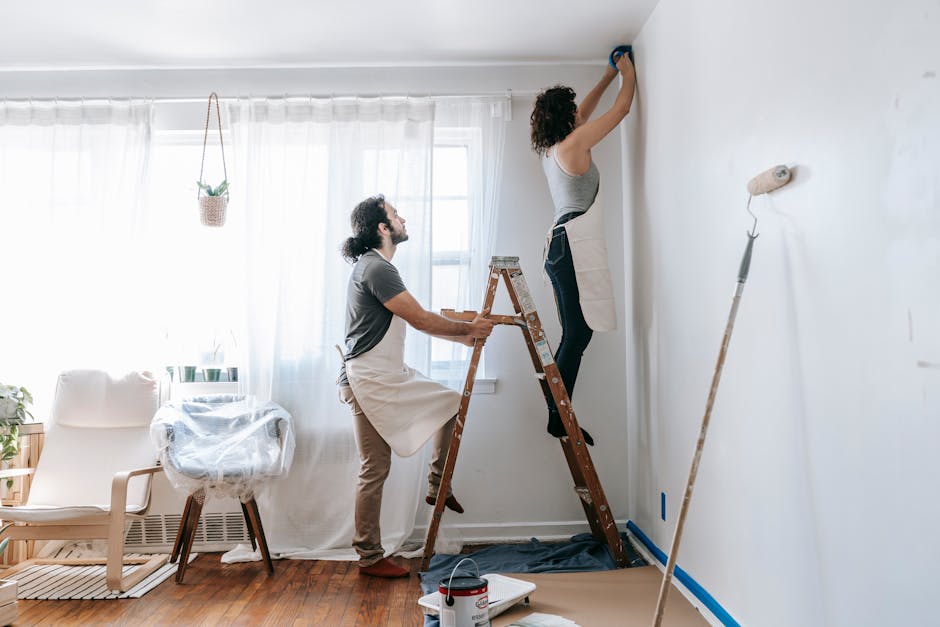
Painting walls is one of the most popular DIY home improvement projects. It's a task that seems straightforward, yet it often falls victim to a slew of misconceptions. In Nigeria, where DIY culture is blossoming, it's crucial to separate fact from fiction when it comes to painting walls. This guide dives into some of the most widely believed myths about wall painting and sets the record straight, ensuring your next project is a success.
Before you pick up that paintbrush, let's address some common myths that could make or break your DIY paint job. Are these beliefs helping or hindering your efforts? Let's find out.
Myth 1: Dark Colors Make a Room Look Smaller
The belief that dark colors will shrink your room is pervasive. Many opt for lighter shades like white or beige, fearing that darker hues will make the space feel cramped.
The Reality of Dark Colors
Dark colors can, in fact, add depth and drama to a room. They create an illusion of endlessness, giving a cozy and sophisticated feel. The key is in the balance. Pairing dark walls with lighter furniture or accents can create a stunning contrast without diminishing space.
"Dark colors, when used thoughtfully, can be transformative. They add personality and uniqueness to a space."
How to Use Dark Colors Effectively
- Use mirrors to reflect light and expand the space visually.
- Opt for furniture with light fabrics to contrast the walls.
- Incorporate metallic or glass accents to add brightness.
Myth 2: Primer is Not Necessary
Skipping primer is a mistake many DIY enthusiasts make, thinking it's an unnecessary step that adds time and cost.
Why Primer Matters
Primer prepares your walls by sealing them and creating a consistent surface for paint adherence. It’s especially crucial for porous surfaces or when switching from dark to light colors.
"Primer is your paint's best friend. It ensures longevity and vibrancy of your chosen color."
When You Must Use Primer
- Painting over dark colors with lighter shades.
- Covering stains or attempting a drastic color change.
- Painting new drywall or surfaces with uneven texture.
Myth 3: More Expensive Paints Are Always Better
Many assume that pricier paints guarantee better results. But is this universally true?
The Truth About Paint Quality
While some high-end paints have superior coverage and durability, it's not always about the price tag. Consider the type of finish and specific needs of your walls over brand prestige.
"Understand your project's needs. Sometimes, the mid-range options are perfectly sufficient."
Factors to Consider Beyond Price
- The room's traffic and wear and tear levels.
- Required finish type: matte, satin, gloss, etc.
- Environmental factors like humidity and light exposure.
Conclusion
Before embarking on your next wall painting project, arm yourself with facts, not just popular opinions. By understanding the truths behind these common myths, you can make informed choices that will lead to a more successful, beautiful, and lasting paint job. Remember, a well-painted wall is not just about following trends but making choices that align with your space, style, and needs.