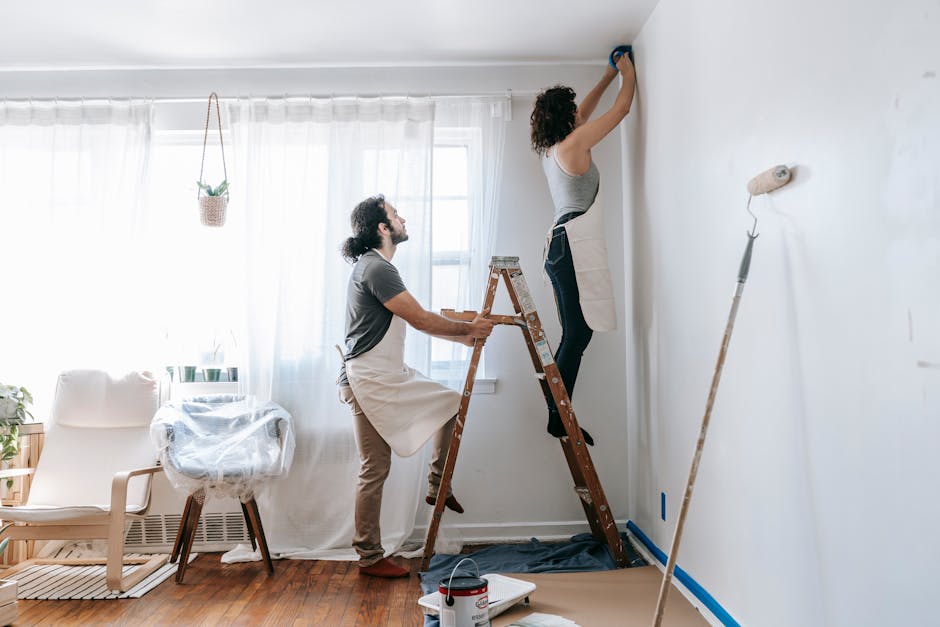
The vibrant colors of a freshly painted home can transform any living space, turning a simple room into something extraordinary. However, when it comes to DIY home painting in Nigeria, there are several myths that can lead to costly mistakes. Let's unravel these misconceptions and discover the truths behind them.
Many people believe that painting is a straightforward task that anyone can undertake without preparation. This notion, coupled with the tropical climate of Nigeria, makes it crucial to understand the nuances of DIY painting.
Myth 1: Any Paint Will Do
There's a common belief that any paint will suffice for your walls. This myth often leads to poor results and increased expenses over time.
Fact: Quality Matters
Choosing the right paint is essential. High-quality paint not only lasts longer but also provides better coverage, reducing the need for multiple coats. In Nigeria, the climate can be harsh on paint, with high humidity and fluctuating temperatures. A paint brand like Dulux, known for its durability, can withstand these conditions effectively.
"Investing in quality paint can save you money in the long run and ensure a professional finish." - Painting Expert, Lagos
Tip: Consider the Surface
Different surfaces require different types of paint. For instance, exterior walls need weather-resistant paint, while interior walls might benefit from a washable, low-VOC option. Always read the labels and consult with a professional if in doubt.
Myth 2: You Don't Need Primer
Another widespread myth is that primer is an unnecessary step that can be skipped to save time and money.
Fact: Primer is Crucial
Primer creates a smooth and even base for the paint, enhancing adhesion and ensuring the true color of the paint shines through. It also helps in covering up imperfections and stains. Skipping this step can lead to uneven application and more coats of paint.
"Primer acts as a foundation for your paint. Skipping it is like building a house without a solid foundation." - Home Renovation Specialist, Abuja
Tip: Use the Right Primer
Choosing the right primer depends on the surface. For instance, if you're painting over a darker color, a tinted primer can help achieve better coverage with fewer coats of paint.
Myth 3: Sunny Weather is Best for Painting
In Nigeria, where sunny days are prevalent, many believe that it's the perfect time to paint. However, this can be misleading.
Fact: Mild Conditions are Ideal
Painting in direct sunlight or extremely hot conditions can cause the paint to dry too quickly, leading to cracks and an uneven finish. It's best to paint during mild conditions, ideally in the early morning or late afternoon.
"Temperature and humidity play significant roles in the drying process of paint. Always check the weather forecast before starting your project." - Climate Expert, Ibadan
Tip: Timing is Everything
Consider the humidity levels as well. High humidity can prevent paint from drying properly, leading to a tacky finish. Opt for days with lower humidity for best results.
Myth 4: DIY Painting Saves Money
While it seems that doing it yourself is a cost-effective option, this myth can be misleading without proper planning and execution.
Fact: Planning and Skill are Key
Without the right skills and preparation, DIY painting can lead to costly mistakes, such as over-purchasing materials or improper application, which might require professional correction.
"DIY painting can be rewarding, but lack of planning can turn it into a costly affair. Equip yourself with knowledge and the right tools." - DIY Enthusiast, Port Harcourt
Tip: Educate Yourself
Before embarking on a DIY painting project, take the time to learn about techniques and tools. Online tutorials and local workshops can provide valuable insights.
Final Thoughts
DIY home painting can be a fulfilling and cost-effective way to refresh your space, but it's important to approach it with the right knowledge and tools. By debunking these myths, you can ensure a smooth and successful painting experience. Remember, investing in quality materials and taking the time to prepare can make all the difference in achieving a professional-looking finish.