When it comes to designing your home interior, myths and misconceptions abound. Many of these myths have been passed down through generations, influencing how we decorate and manage our living spaces. But how many of them actually hold weight? In Nigeria, where traditional beliefs often merge with contemporary styles, understanding what's fact and what's fiction can save you time, money, and effort.
Let's uncover some of the most widely believed home interior myths and see how they stack up against the facts. Whether you're revamping your Lagos apartment or designing your dream home in Abuja, these insights will help you make more informed decisions.
Myth 1: Dark Colors Make a Room Look Smaller
The Origin of the Myth
This belief likely originated from the idea that dark colors absorb more light, thus making spaces feel enclosed. In many cultures, including Nigeria, this myth persists due to the preference for bright, airy spaces.
The Fact
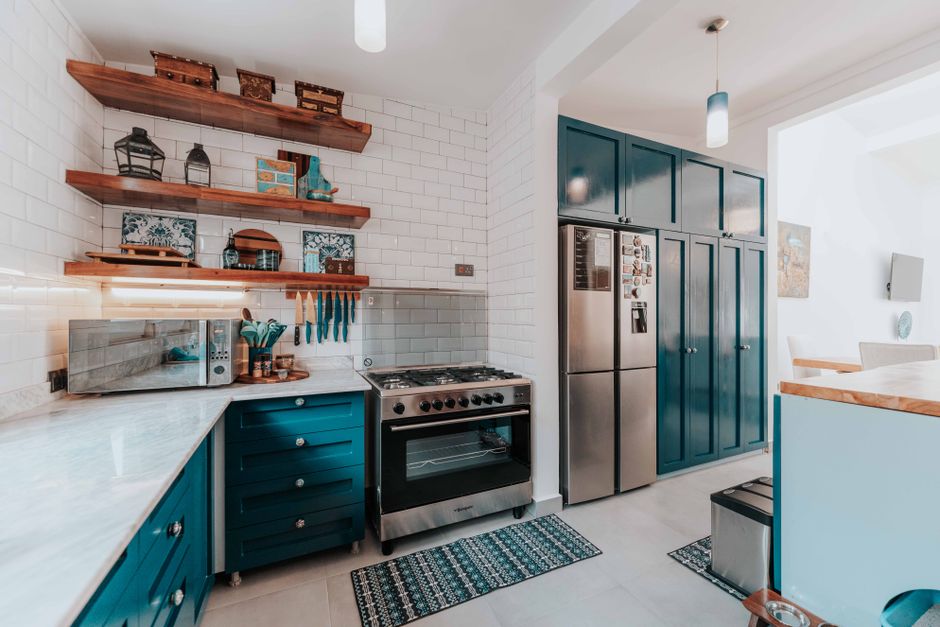
Contrary to this myth, dark colors can add depth and sophistication to a room. When paired with strategic lighting and well-placed mirrors, dark colors can create a cozy atmosphere rather than a cramped one. Consider using dark hues as accent walls or in large rooms to create a dramatic effect.
"Dark colors, when used wisely, can make your space feel more intimate rather than isolated."
Myth 2: You Must Have a Matching Furniture Set
The Origin of the Myth
Matching furniture sets have long been associated with a polished and cohesive look. This belief has been reinforced by traditional decor standards and the availability of furniture sets in retail stores.
The Fact
Mixing and matching furniture can actually add character and uniqueness to your home. Eclectic styles are not only modern but also allow for personal expression. Combining different textures, colors, and styles can turn your space into a reflection of your personality.
"Embrace the mix! Your home is a canvas, and diverse furniture adds depth and interest to your living space."
Myth 3: Bigger is Always Better
The Origin of the Myth
In Nigeria, as in many places, owning large and luxurious items is often seen as a status symbol. This extends to home decor, where bigger pieces are frequently perceived as better investments.
The Fact
While large items can be impressive, they aren't always practical or suitable for every space. Oversized furniture in a small room can make the space feel cramped and uncomfortable. It's important to consider the scale of your space and choose furniture that enhances, rather than overwhelms, your room.
"It's not about the size, but how you use the space. Choose pieces that complement your room's dimensions."
Myth 4: White Walls Are the Best for Resale Value
The Origin of the Myth
This idea is often perpetuated by real estate agents who suggest that white walls appeal to a wider audience, making it easier to sell a home.
The Fact
While neutral tones can be appealing, they are not the only option for potential buyers. In fact, a well-chosen color palette can make a home stand out and feel welcoming. Consider soft pastels or earth tones that can create a warm atmosphere and still remain neutral enough for prospective buyers.
"Color can be a selling point, not a deterrent. Choose hues that enhance your home's best features."
Final Thoughts
Home interior myths can be misleading, but understanding the facts allows you to create spaces that are not only stylish but also functional. Whether you're in a bustling city or a serene village, applying these truths can transform your living environment into a place that truly feels like home.
Remember, the key to a beautiful home is not following trends blindly, but curating a space that reflects your personal taste and lifestyle. Don't be afraid to challenge popular beliefs and make choices that work for you and your family.