Painting the walls of your home can be a transformative experience. It’s one of those DIY projects where you can see immediate results. However, the approach to wall painting can vary significantly depending on your experience level. For beginners, the process might be daunting and fraught with pitfalls, while more experienced DIYers have their own set of challenges to navigate. Let’s delve into how both groups can tackle common painting issues to achieve the best results.
Setting Up: The Starting Line
Beginners: Gathering the Essentials
For those just getting started, gathering the right tools is crucial. The basics include paintbrushes, rollers, painter’s tape, drop cloths, and of course, your chosen paint. It’s easy to get overwhelmed by the variety of paint types available. Most beginners find latex paint suitable for interior walls because it’s easy to clean and dries quickly.
- Paintbrushes: Invest in a good quality set to ensure smooth application.
- Rollers: Choose a medium nap roller for most interior walls.
- Painter’s Tape: Essential for protecting trims and edges.
Experienced DIYers: Fine-Tuning the Process
More experienced painters might already have their favorite brands and tools. However, they might look into specialist equipment like paint sprayers for a more professional finish or experiment with different paint finishes like satin or eggshell to add texture and depth.
A paint sprayer can cut down time significantly but requires a steady hand and experience to avoid drips and uneven coats.
Preparing the Walls: Before the Brush
Beginners: Cleaning and Priming
Preparation is key. For beginners, this means cleaning the walls thoroughly to remove dust and grime. A simple mix of soap and water usually does the trick. Priming is often overlooked but crucial for a smooth, even finish. It helps the paint adhere better to the wall and can even hide slight imperfections.
Experienced DIYers: Handling Imperfections
Experienced painters take preparation to the next level. They might use spackle to fill in cracks or holes and sand down any rough areas for a flawless base. They may also use tinted primers that match the final paint color, reducing the number of coats needed.
Painting Techniques: Mastery in Strokes
Beginners: Basic Techniques
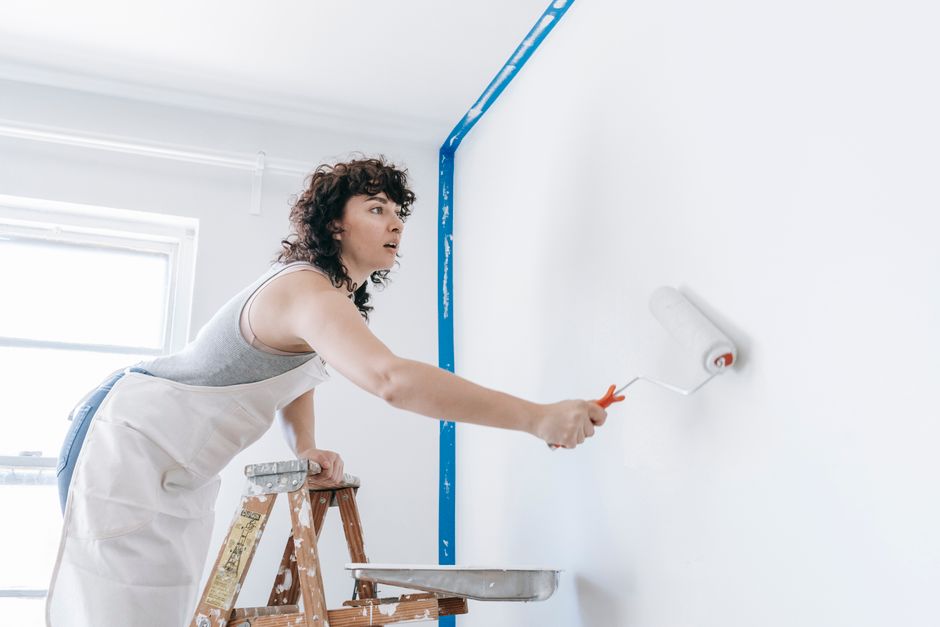
Beginners should focus on mastering basic techniques. Start with cutting in, which involves painting the edges of the walls first before moving on to larger areas with a roller. It’s important to wait for the edges to dry to avoid smudging.
- Cutting In: Use an angled brush for precision.
- Rolling: Apply paint in a ‘W’ pattern for even distribution.
Experienced DIYers: Advanced Methods
With more experience comes the confidence to experiment. Techniques like color blocking or using techniques like ombre painting can add a unique touch to your walls. Experienced painters might also incorporate stencils or sponge painting for texture and pattern.
Experimenting with two tones can create a stylish effect, but it requires careful planning and execution.
Problem Solving: Common Issues
Beginners: Tackling Mistakes
Mistakes happen. Beginners often grapple with issues like paint drips, uneven coverage, or missed spots. Quick fixes involve using a damp cloth to wipe away drips before they dry or applying a second coat to even out coverage.
Experienced DIYers: Refining the Finish
Experienced painters focus on refining their finish. They might encounter issues like brush marks or inconsistent sheen. Solutions include sanding between coats for a smoother finish or using a paint conditioner for a more even application.
Cleaning Up: The Final Touch
Beginners: Basic Cleanup Tips
Once the painting is done, cleanup is essential. Beginners should focus on washing brushes and rollers with warm soapy water if they’ve used water-based paint. Properly sealing leftover paint cans prevents them from drying out.
Experienced DIYers: Efficient Cleanup
Experienced DIYers often have a streamlined cleanup process. They might use specialized cleaners for oil-based paints or have designated storage for their tools to maintain their lifespan. Efficient cleanup ensures that you are ready for your next project without hassle.
Conclusion
Whether you're just starting your DIY journey or are a seasoned pro, wall painting offers a rewarding way to personalize your space. Each level of experience brings its own challenges and opportunities for creativity. By understanding and embracing these differences, you can avoid common mistakes and create beautiful walls that you'll love coming home to.