Have you ever opened your wardrobe and thought, "I have nothing to wear," even though it's overflowing with clothes? You're not alone. Many of us have fallen into the habit of buying new clothes while neglecting the potential of those we already own. What if I told you that with a little creativity and some basic tools, you could transform those forgotten pieces into trendy, unique outfits? Welcome to the world of upcycling—a sustainable, cost-effective solution for fashion lovers everywhere, including right here in Nigeria.
Upcycling, the art of turning old or unused items into something new and valuable, is not just a trend; it's a movement. It's about giving new life to what you already have, reducing waste, and showcasing your unique style. In this detailed guide, we'll explore how you can transform your old clothes into something fabulous. Whether it's an old Ankara dress that's seen better days or a faded T-shirt that needs a makeover, we've got you covered.
By the end of this article, you'll be equipped with the knowledge and inspiration to embark on your own upcycling journey. So, let's dive in and discover how you can make a fashion statement while saving money and the environment.
Understanding Upcycling: The Basics
What is Upcycling?
Upcycling is a creative process that involves transforming unwanted materials into new products of higher quality or value. Unlike recycling, which breaks down materials to create something entirely new, upcycling retains the original item and enhances it.
In the fashion world, this means taking old clothes and restyling them into something fashionable and unique. It's a win-win situation—reducing waste and saving money while showcasing your creativity.
Why Upcycle in Nigeria?
In Nigeria, where the fashion industry is booming and fast fashion is on the rise, upcycling offers a sustainable alternative. It encourages creativity and self-expression, allowing individuals to stand out with one-of-a-kind pieces while reducing their environmental impact.
Moreover, with the rich array of fabrics and textiles available, from Ankara to Adire, Nigeria is a perfect backdrop for upcycling projects that celebrate cultural heritage and personal style.
Tools and Materials Needed for Upcycling
Essential Tools
- Scissors: A good pair of fabric scissors is crucial for precise cutting.
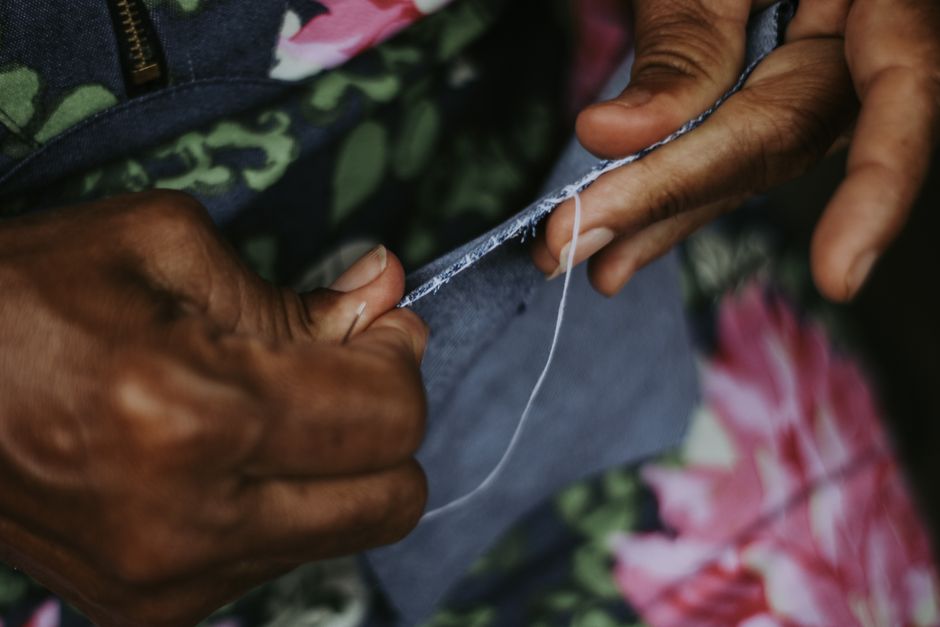
- Sewing Kit: Basic sewing supplies like needles, thread, and pins are necessary for stitching.
- Sewing Machine: For more complex projects, a sewing machine can save time and produce professional results.
- Measuring Tape: Accurate measurements ensure a good fit.
- Fabric Glue: Useful for no-sew projects or adding embellishments.
Materials to Consider
- Old Clothes: The possibilities are endless, from jeans and shirts to dresses and skirts.
- Embellishments: Consider adding buttons, beads, or patches for extra flair.
- Fabrics: Scraps of fabric can be used to add new elements, such as pockets or panels.
Step-by-Step Guide to Upcycling Clothes
1. Assess Your Wardrobe
Start by identifying clothes that no longer fit, are out of style, or have minor damages. Sort them into categories based on their potential for upcycling.
2. Plan Your Projects
Think about what you want to create. Do you need a new top, skirt, or maybe a bag? Sketch your ideas and consider which items can be combined or altered to achieve your vision.
3. Get Creative with Techniques
- Cutting and Resizing: Transform oversized shirts into trendy crop tops or fitted blouses.
- Dyeing: Give faded clothes a new lease on life with fabric dye; experiment with tie-dye techniques for unique patterns.
- Adding Embellishments: Use beads, lace, or patches to enhance plain garments.
- Mix and Match: Combine different fabrics or clothing items to create hybrid pieces, like a shirt-dress or denim patch jeans.
4. Finalize and Wear
Once your project is complete, try on your new outfit and make any necessary adjustments. Don't forget to flaunt your unique creation with pride!
Troubleshooting Common Upcycling Issues
Dealing with Mistakes
Even experienced upcyclers make mistakes. If you cut something too short or the dye didn't take as expected, don't worry. Sometimes these "mistakes" can lead to innovative solutions. For instance, add a lace trim to a hem that's too short or use fabric paint to cover a dye mishap.
Ensuring Durability
Ensure your upcycled pieces last by using quality materials and reinforcing seams. For items that will undergo frequent washing, double-stitch the seams or use fabric glue in conjunction with stitches for added strength.
Inspiring Upcycling Projects to Try
Ankara Scrap Patchwork
Use leftover Ankara fabric to create patchwork designs on plain jackets, bags, or shoes. This not only adds a vibrant touch to your items but also celebrates Nigerian culture.
Denim Revamp
Turn old jeans into a stylish skirt or shorts. Add fringe or embroidery for a personal touch. With denim, the options are virtually limitless.
T-Shirt Transformation
Convert oversized T-shirts into halter tops or tote bags. Cut, stitch, and embellish as needed, and watch the magic unfold.
"Fashion is not just about buying new clothes; it's about making the most of what you have. Upcycling is a testament to creativity and sustainability." - Nkem Ogbuagu, Nigerian Fashion Enthusiast
Conclusion
Upcycling is more than just a trend—it's a lifestyle choice that benefits both the individual and the environment. By repurposing old clothes, we can reduce waste, save money, and express our unique styles. With creativity and a little effort, you can transform your wardrobe into a collection of personalized, statement pieces that reflect your personality and values.
So, the next time you look at your overflowing wardrobe, see it as a canvas waiting for your artistic touch. Happy upcycling!