In the bustling heart of Nigeria, where style meets sustainability, the concept of upcycling has taken on a life of its own. Imagine transforming that old wooden chair into a vibrant, eye-catching piece that not only saves money but also adds a personal touch to your living space. Welcome to the world of DIY furniture upcycling, where creativity meets practicality. It's a journey that does more than just spruce up your home; it contributes to environmental conservation and sustainable living. And the best part? You don’t have to be a professional carpenter to achieve stunning results. Whether you’re in Lagos or Kano, these DIY tips will guide you in bringing new life to your old furniture pieces.
Upcycling is more than just a trend; it’s a lifestyle choice that promotes creativity and sustainability. For Nigerian households, where resourcefulness is key, upcycling offers an exciting opportunity to combine traditional craftsmanship with modern design aesthetics. So, how do you start this transformative journey? Let’s dive into the world of upcycling with some practical tips and tricks that will have you crafting like a pro in no time.
Understanding the Art of Upcycling
What is Upcycling?
Upcycling, often confused with recycling, involves the creative reuse of old or discarded items, enhancing their value and often transforming them into something entirely new. Unlike recycling, which breaks down materials, upcycling retains the original material, reducing waste and conserving resources. This eco-friendly practice is particularly relevant in Nigeria, where sustainability is becoming increasingly important.
The Benefits of Upcycling
- Sustainability: Upcycling reduces waste and minimizes environmental impact, aligning with global sustainability goals.
- Cost-Effective: It’s a budget-friendly way to revamp your home without purchasing new furniture.
- Personalization: Upcycling allows you to infuse your personal style into your home decor.
- Skill Development: Engaging in upcycling projects enhances your crafting skills and creativity.
"Upcycling is not merely a transformation of materials but a transformation of mindsets towards more sustainable living."
Essential Tools and Materials
Gathering Your Tools
Before you embark on your upcycling journey, you’ll need to arm yourself with the right tools. A basic toolkit for upcycling includes:
- Screwdrivers: Essential for dismantling and assembling furniture pieces.
- Sanding Blocks: To smooth surfaces and prepare them for painting or staining.
- Paint Brushes & Rollers: For applying paint or varnish to your projects.
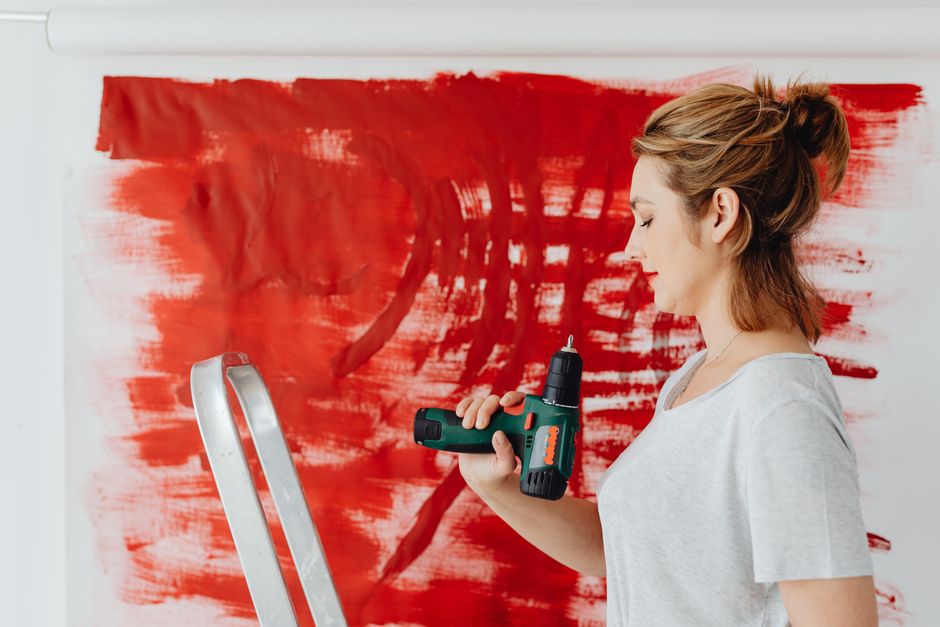
- Drill: Useful for creating new holes or reinforcing existing structures.
- Measuring Tape: For accurate measurements and precise cuts.
Selecting Materials
The beauty of upcycling lies in its flexibility with materials. You can use:
- Wood: Old wooden pallets or crates are perfect for creating rustic furniture.
- Fabric: Use leftover fabric pieces for upholstery or decorative elements.
- Paint: Opt for eco-friendly paints to keep your project sustainable.
Step-by-Step Upcycling Projects
Revamping a Wooden Chair
Let’s start with a simple project: transforming an old wooden chair. Here's how:
- Sand the Chair: Use a sanding block to remove old paint and smooth the surface.
- Apply Primer: A coat of primer helps the new paint adhere better.
- Paint or Stain: Choose a color that complements your home decor and apply with a brush or roller.
- Sealant: Use a clear sealant to protect the finish and enhance durability.
Turning a Crate into a Coffee Table
Transforming a wooden crate into a chic coffee table is both cost-effective and stylish. Follow these steps:
- Clean the Crate: Ensure the crate is free from dust and dirt.
- Sand and Paint: Sand for a smooth finish and paint it in your desired color.
- Add Wheels: Attach caster wheels to the bottom for mobility.
- Glass Top: Place a glass sheet on top for a polished look.
Incorporating Nigerian Aesthetics
Using Traditional Designs
Incorporate traditional Nigerian patterns and colors into your upcycling projects to add cultural flair. For instance, use Ankara fabric for upholstery or as a decorative element on tabletops.
Infusing Local Materials
Consider using locally sourced materials like bamboo or raffia. These not only support local artisans but also add a unique touch to your creations.
Maintaining Your Upcycled Pieces
Regular Cleaning
To maintain the longevity of your upcycled furniture, ensure regular cleaning using appropriate products for the material, whether wood, fabric, or metal.
Annual Check-ups
Check your furniture annually for any signs of wear and tear. Tighten screws, reapply varnish, or make necessary repairs to keep them looking fresh.
Conclusion
Upcycling is a wonderful way to blend creativity and sustainability, offering Nigerian households a practical approach to home decor. By enhancing old furniture with new life, you not only save money but also contribute to a greener planet. So, gather your tools, unleash your creativity, and transform your home one piece at a time. Remember, every piece you upcycle is a step towards a more sustainable future.