In Nigeria, where vibrant culture meets practical living, the art of upcycling old fabrics into home decor has gained immense popularity. Imagine turning your grandmother's worn-out Ankara fabric into a stunning cushion cover or a unique wall tapestry. Not only does this practice allow you to breathe new life into forgotten materials, but it also provides a sustainable solution to minimize waste. In this article, we'll explore creative ways to upcycle old fabrics, transforming them into stylish Nigerian home decor pieces that reflect your personal style.
With the right techniques and a dash of creativity, you can make stunning decor items that not only save money but also add a touch of uniqueness to your space. Whether you're a seasoned DIY enthusiast or just starting, these projects are accessible, fun, and deeply rewarding. Let's dive into the world of fabric upcycling and revamp your Nigerian home one piece at a time!
Understanding the Basics of Fabric Upcycling
What is Fabric Upcycling?
Fabric upcycling is the process of transforming old, unused, or unwanted fabrics into new, functional, and often artistic items. Unlike recycling, which often breaks down materials into raw components, upcycling retains the material's existing form, enhancing its value and utility.
The Benefits of Upcycling Fabrics
- Environmental Impact: By reusing fabrics, you reduce waste and the demand for new materials, helping conserve resources.
- Cost-Effective: Upcycling is an affordable way to refresh your home decor without the high cost of buying new items.
- Personalization: Each upcycled piece has a story and personal touch, making your home decor truly unique.
"Upcycling allows us to see the potential in every piece of fabric, turning what once was wasted into something wonderful."
Essential Tools and Materials for Fabric Upcycling
Gathering Your Basic Tools
To start your upcycling journey, you'll need some basic tools. Most of these are likely already in your home, making the process even more accessible.
- Scissors: A sharp pair of fabric scissors will help you cut through textiles with ease.
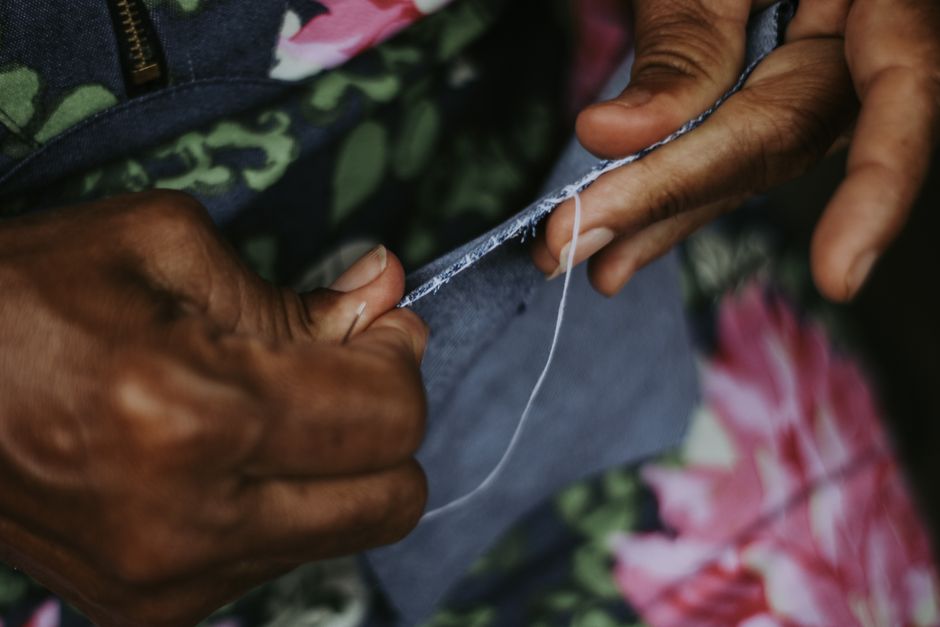
- Sewing Kit: Includes needles, threads, and a measuring tape for precise measurements.
- Glue Gun: A versatile tool for non-sewing projects, perfect for quick fixes.
- Fabric Paints: Use these to add colorful designs or patterns to your upcycled pieces.
Choosing the Right Materials
When selecting fabrics for your projects, consider the fabric's texture, color, and condition. Lightweight cottons, linens, and even denim can be fantastic options depending on the project.
Pay attention to the patterns and colors that resonate with the existing decor in your home — this ensures a cohesive look that is custom to your personal aesthetic.
Creative Upcycling Projects for Your Nigerian Home
Transforming Old Clothes into Cushion Covers
One of the simplest ways to start upcycling is by turning old shirts or dresses into decorative cushion covers. This project requires minimal sewing skills and can be completed in just a few hours.
- Cut your fabric to the size required for your cushion. Remember to leave a seam allowance.
- Sew the edges together, leaving one side open to insert the cushion.
- Turn the cover inside out and insert the cushion.
- Close the opening with a simple stitch or a decorative button closure.
"Every cushion tells a story, each fabric a memory. Make your living room or bedroom a canvas of your life."
Creating a Wall Hanging from Patchwork Fabrics
For a more artistic endeavor, consider creating a wall hanging using a patchwork of different fabrics. This project not only utilizes scraps but also allows you to play with colors and textures.
- Select a variety of fabric scraps that complement each other in color and texture.
- Arrange them into a pattern you find visually appealing.
- Sew pieces together, ensuring all edges are aligned.
- Attach the finished patchwork to a wooden dowel or rod for easy hanging.
Tips for Successful Upcycling
Start Small and Simple
If you're new to upcycling, start with smaller, simpler projects. As you gain confidence, you can tackle more complex designs.
Let Your Imagination Guide You
There's no right or wrong in upcycling. Trust your instincts and let your creativity flow. The more personal your creation, the more special it will be.
Consider Functionality
While aesthetics are important, don't forget practicality. Ensure that your upcycled pieces are not only beautiful but also functional for your everyday needs.
Final Thoughts
Upcycling is more than just a creative outlet; it's a way to connect with our past, embrace sustainability, and express individuality in our homes. In Nigeria, where resourcefulness and creativity are part of the fabric of daily life, upcycling old fabrics into home decor is a perfect blend of tradition and innovation. So, gather those old fabrics and start transforming your home into a vibrant, personalized sanctuary that celebrates both your heritage and your personal style.