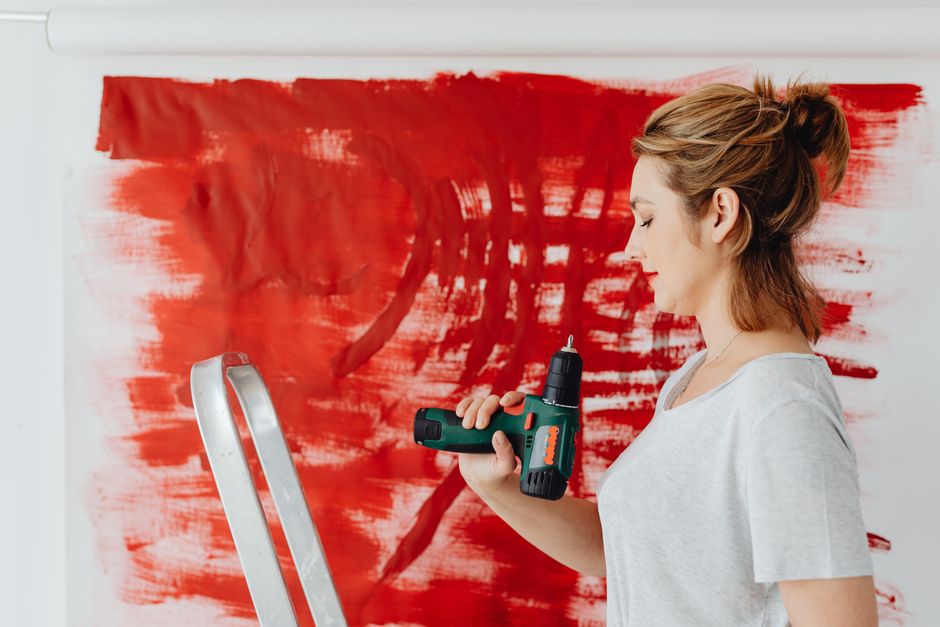
In a world where sustainability is becoming increasingly important, upcycling old furniture in your home can be a fantastic way to contribute to the environment while adding a unique touch to your living space. Imagine giving that old cabinet or chair a new lease on life! For many Nigerian homes, where furniture can often be an heirloom passed down through generations, upcycling offers a creative solution that marries tradition with modern aesthetics.
Whether you are a seasoned DIY enthusiast or just beginning your journey, upcycling can be both rewarding and cost-effective. Let’s dive into some inspiring ways to transform your old furniture into stunning pieces of decor that will not only revitalize your home but also leave your friends and family in awe.
Understanding Upcycling: The Basics
What is Upcycling?
Upcycling is the process of taking an old or discarded item and transforming it into something of higher quality or value. Unlike recycling, which breaks down materials to create new products, upcycling preserves the original material and enhances its functionality or appearance.
"Upcycling is like giving a second chance to your furniture, breathing new life into something that would otherwise be discarded."
Why Upcycle?
There are numerous reasons to embrace upcycling. It’s environmentally friendly, reduces waste, and can save you money. Furthermore, upcycling allows for a personal touch, ensuring that your home decor is unique and reflects your style and creativity.
- Environmental Impact: By upcycling, you contribute to reducing landfill waste and preserving resources.
- Cost-Effectiveness: Transforming old items can be much cheaper than buying new ones.
- Creative Expression: Upcycling lets you customize your decor to fit your aesthetic preferences.
Essential Tools and Materials for Upcycling
Gathering Your Supplies
To begin your upcycling journey, you’ll need some basic tools and materials. These will vary depending on the specific project, but here is a list of essentials that can be commonly used across various upcycling projects.
- Sandpaper: Essential for smoothing out surfaces and preparing them for paint or varnish.
- Paint and Brushes: A fresh coat of paint can dramatically change the look of any piece.
- Screwdrivers and Hammers: Useful for disassembling and reassembling parts.
- Wood Glue: Perfect for fixing any loose joints or parts.
- Measuring Tape: Accurate measurements are crucial for a professional finish.
Choosing the Right Materials
Select materials that are durable and easy to work with. Natural materials like wood and metal are generally easier to upcycle compared to plastics. Consider the final look you want to achieve and choose materials that will help you realize your vision.
Creative Upcycling Ideas for Nigerian Homes
Repurposing Old Cabinets
Cabinets are a staple in many Nigerian homes. They can be transformed into chic storage solutions or even seating areas. Consider repainting them in bold colors or adding new handles for a contemporary touch.
Turning Chairs into Side Tables
If you have broken chairs that are beyond repair for their original purpose, consider turning them into side tables. Cut the legs to the desired height, and add a painted wooden top for a stylish table.
Creating Wall Art from Doors
Old doors can be repurposed into eye-catching wall art. By sanding and painting them with vibrant patterns or attaching mirrors, they can become the focal point of any room.
Step-by-Step Guide to Upcycling a Wooden Chair
Preparation
Start by sanding the chair to remove any old paint or varnish. This prepares the surface for a fresh coat of paint.
Painting
Select a color that complements your home decor. Apply a primer first, then your chosen paint in thin, even coats. Allow each coat to dry before applying the next.
Finishing Touches
Add new cushions or covers to complete the transformation. You can also attach decorative stencils or patterns if desired.
"The transformation of a simple chair can change the ambiance of your entire room — a testament to the power of upcycling."
Conclusion
Upcycling old furniture is not just a trend; it’s a movement towards sustainability, creativity, and personal expression. With these practical tips and ideas, you’ll be well on your way to transforming your living space into a reflection of your personal style, all while being kind to the planet. Whether you start with a small project or a complete furniture overhaul, the possibilities are endless. Happy upcycling!