In a world that increasingly values sustainability, finding ways to upcycle old items has become more than just a trend—it's a necessity. In Nigeria, where the blend of culture and modernity paints every aspect of life, upcycling old fabrics can be both a creative and practical endeavor. Whether you're looking to refresh your home décor or simply reduce waste, repurposing fabrics offers endless possibilities for every Nigerian home. So, how can you take those old ankara wraps or faded lace and transform them into something new? Let's dive into the art of fabric upcycling, exploring imaginative ways to breathe new life into forgotten textiles.
Before we begin, picture this: a simple piece of fabric that carries stories from family gatherings or cultural celebrations. Instead of letting it gather dust, why not convert it into something fresh and useful? It's not just about preservation—it's about innovation, turning what's old into something new and beautiful, while staying true to the rich tapestry of Nigerian heritage.
Understanding the Basics of Fabric Upcycling
What is Upcycling?
Upcycling is the process of transforming by-products, waste materials, or unwanted items into new materials or products of better quality or for better environmental value. Unlike recycling, which breaks down materials into their base ingredients, upcycling retains the item's original form, enhancing its value and utility.
Why Upcycle Fabrics?
Fabrics are versatile and present numerous opportunities for creativity. Upcycling allows you to:
- Reduce waste by reusing materials.
- Create unique, personalized home décor.
- Preserve cultural elements in modern designs.
- Save money and resources.
Essential Tools and Materials
Gathering Your Supplies
Before embarking on any upcycling project, it's crucial to have the right tools and materials. Here's a checklist to get you started:
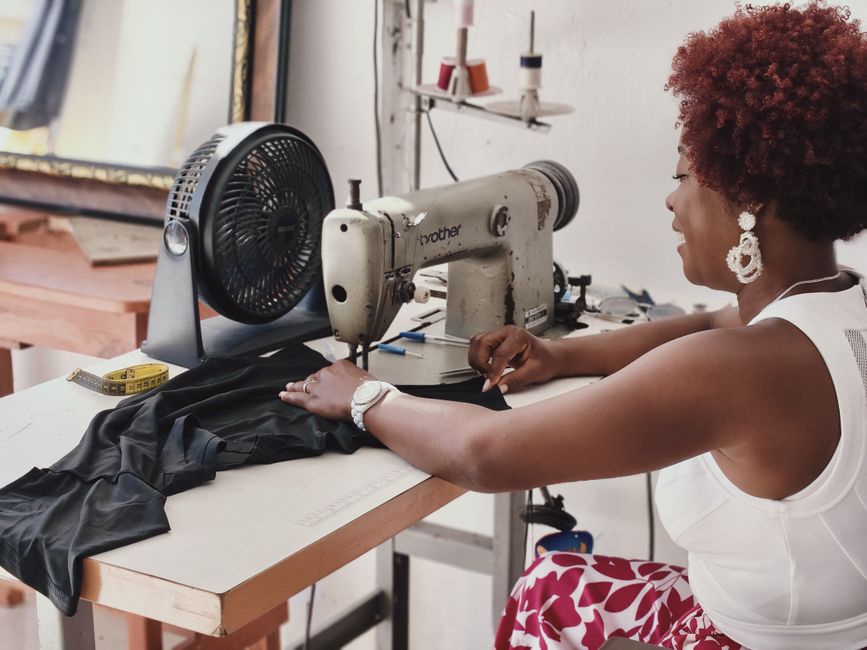
- Sewing Kit: A basic sewing kit including needles, threads, scissors, and measuring tape is vital.
- Fabrics: Collect old clothes, scraps from tailors, or any unused fabrics at home. Think ankara, lace, or aso-oke.
- Embellishments: Beads, buttons, or ribbons for added flair.
- Patterns and Stencils: To guide your designs.
Choosing the Right Fabrics
Different fabrics will offer different results and challenges. Consider:
- Ankara: Known for its vibrant colors and durability, great for bold designs.
- Lace: Elegant and delicate, perfect for intricate projects.
- Aso-oke: Traditional fabric ideal for sturdy projects.
Creative Upcycling Ideas for Nigerian Homes
Fabric Wall Art
Transform your living space with DIY fabric wall art. It’s a simple project that adds color and texture to any room.
- Gather Your Fabrics: Choose pieces with vibrant patterns.
- Create a Design: Use stencils or freehand designs to cut shapes from the fabric.
- Assemble: Glue or sew the pieces onto a canvas or frame.
Custom Pillow Covers
Refresh your living area with custom pillow covers using old ankara or lace fabric.
- Measure and Cut: Measure your pillows and cut the fabric accordingly.
- Sew the Pieces: Stitch the pieces together, leaving an opening to insert the pillow.
- Embellish: Add buttons or beads for extra detail.
"Upcycling is about appreciating what you have and using creativity to give items new life."
Functional Additions for Everyday Use
Reusable Shopping Bags
In an effort to reduce plastic waste, create reusable shopping bags from sturdy fabrics like old jeans or aso-oke.
- Design the Bag: Decide on the size and style of your bag.
- Cut and Sew: Cut out the fabric pieces and sew them together.
- Add Handles: Attach sturdy fabric strips as handles.
Fabric Coasters
Protect your furniture with unique fabric coasters.
- Select Fabrics: Use thick, absorbent fabrics.
- Cut and Layer: Cut circles or squares and layer them for thickness.
- Finish Edges: Sew or glue the edges to prevent fraying.
Preserving Nigerian Culture Through Upcycling
Cultural Elements in Modern Designs
Incorporate traditional patterns into contemporary styles to celebrate Nigerian heritage.
- Accessory Making: Use fabric scraps for earrings, necklaces, or headbands.
- Patchwork Quilts: Combine various fabric pieces into quilts that tell a story.
Community Involvement
Encourage local communities to embrace upcycling through workshops and collaboration.
- Skill Sharing: Teach others about the benefits and techniques of upcycling.
- Community Projects: Organize events to create items for community use or sale.
Conclusion
Embracing upcycling not only helps the environment but also allows us to create unique and meaningful items from what we already have. For Nigerians, this means integrating cultural heritage with modern living, resulting in a home that is both stylish and sustainable. Whether you're turning old fabrics into beautiful home décor or practical everyday items, the possibilities are as endless as your imagination. So gather your materials, ignite your creativity, and start transforming your home, one fabric at a time.