Have you ever stared at your wardrobe, wondering what to do with all those old clothes that no longer fit or are simply out of style? Instead of discarding them, why not breathe new life into these pieces through upcycling? This sustainable fashion trend not only helps the environment but also allows you to express your creativity and save money. In Nigeria, where fashion is vibrant and diverse, upcycling offers a brilliant way to experiment with styles while being resourceful.
In this article, we'll dive into practical steps on how to transform your outdated or worn-out clothing into something fresh and stylish. From patchwork to dyeing, you'll discover techniques that can redefine your wardrobe and reflect your unique taste.
Whether you're an experienced DIY enthusiast or a beginner looking to explore new avenues, this upcycling guide is tailored to help you succeed. Let's embark on this exciting journey of fashion sustainability, right from the comfort of your home.
The Art of Upcycling: Understanding the Basics
What is Upcycling?
Upcycling involves creatively reusing discarded materials to create something of higher quality or value. Unlike recycling, which breaks down materials, upcycling maintains the integrity of the original items, often adding a personal or artistic touch.
In Nigeria, where traditional attire often becomes precious keepsakes, upcycling allows you to transform these garments into new forms without losing their sentimental value.
"Upcycling is about innovation and respect for the environment. By preserving the original fabrics, you retain their beauty and history."
Benefits of Upcycling Clothes
- Environmental Impact: Reduces waste and conserves resources by keeping clothes out of landfills.
- Cost-Effective: Saves money by repurposing existing materials into new wardrobe items.
- Creativity and Personalization: Offers an opportunity to express your style and individuality.
- Preservation of Culture: Allows traditional fabrics and designs to be reimagined, keeping cultural heritage alive.
Gathering Your Materials: What You'll Need
Essential Tools and Materials
Before you start your upcycling projects, it's vital to gather the necessary tools. Here's a list to help you prepare:
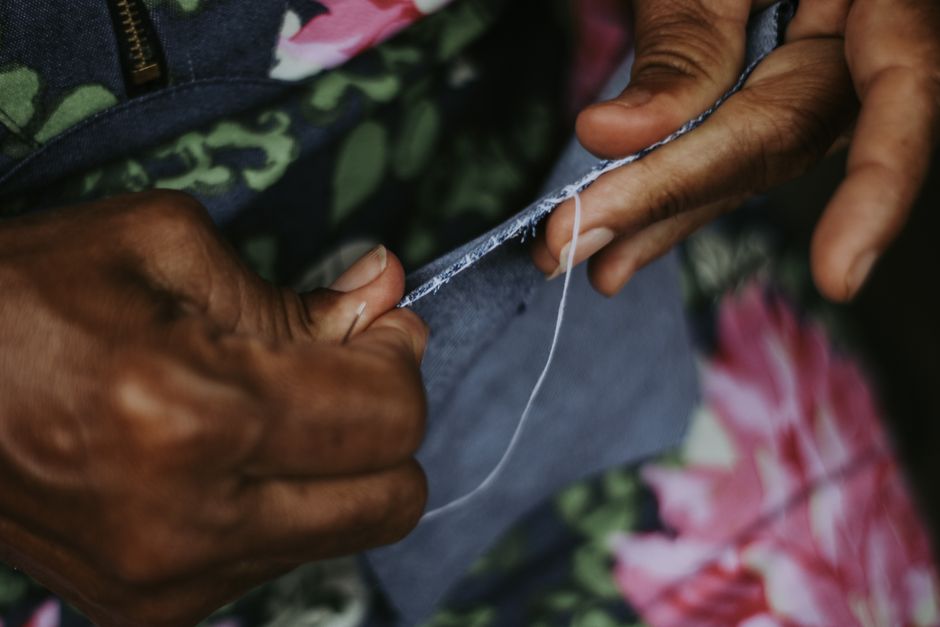
- Sewing Machine or Needle and Thread: Essential for any sewing or stitching tasks.
- Scissors: Sharp fabric scissors ensure clean cuts.
- Measuring Tape: Helps in taking accurate measurements.
- Pins and Clips: Useful for holding fabric in place.
- Fabric Paint or Dye: For adding color and patterns to fabrics.
- Embellishments: Buttons, beads, and sequins for adding flair.
These tools are typically easy to find in local markets across Nigeria, such as the bustling Balogun Market in Lagos or Ariaria International Market in Aba.
Organizing Your Workspace
Having a well-organized and comfortable workspace is crucial for any DIY project. Choose a bright, airy spot in your home where you can spread out your materials. Ensure you have good lighting and a sturdy table or surface to work on.
Step-by-Step Guide to Upcycling
Identifying Upcycling Opportunities
Start by examining your wardrobe for clothes that are no longer worn. Consider items with unique fabrics or patterns that can be highlighted in a new design.
Sort your clothes into categories: those that can be easily modified, those that require more creative solutions, and those that can be combined with other pieces.
Upcycling Projects You Can Try
- Patchwork Denim: Combine different shades of old denim to create trendy patchwork jeans.
- Tie-Dye T-Shirts: Use dyes to revamp plain shirts into colorful masterpieces.
- Maxi Skirts from Old Dresses: Transform long dresses into stylish maxi skirts by altering the top section.
- Reversible Bags: Use fabric scraps to sew unique reversible tote bags.
Each project can be customized to fit your personal style, making your upcycled wardrobe truly one-of-a-kind.
Tips and Tricks for Successful Upcycling
Choosing the Right Fabrics
When selecting fabrics for upcycling, consider durability and the ease of sewing. For instance, Ankara and lace are popular fabrics in Nigeria known for their vibrant patterns and strength.
Fabrics that fray easily may require additional finishing techniques, so choose materials that complement your sewing skills.
Overcoming Common Challenges
As with any DIY project, upcycling comes with its challenges. Here are some tips to overcome them:
- Mismatched Fabric Colors: Use fabric paint to create uniformity or embrace the eclectic look.
- Fitting Issues: Take measurements carefully and create mock-ups with inexpensive fabric before cutting the actual material.
- Fraying Edges: Use techniques like zig-zag stitching or bias tape to prevent fraying.
"Patience and creativity are your best tools in upcycling. Each mistake is a step towards mastering the craft."
Conclusion
Upcycling old clothes not only revives your wardrobe but also fosters a sense of creativity and environmental stewardship. By transforming garments that might have ended up as waste, you contribute to a more sustainable future while showcasing your personal style.
In Nigeria, where fashion is a cultural expression, upcycling provides an avenue to honour tradition while embracing modern trends. It's a fulfilling hobby that combines practicality with artistic expression, offering endless possibilities for those willing to explore.
So, gather those forgotten clothes, unleash your creativity, and start your upcycling journey today. Your wardrobe—and the planet—will thank you for it.