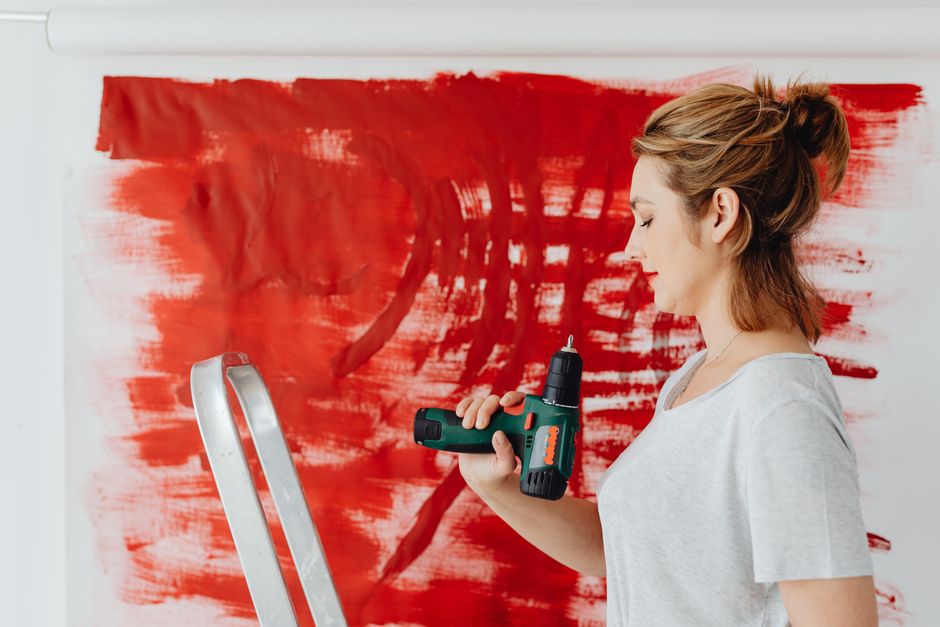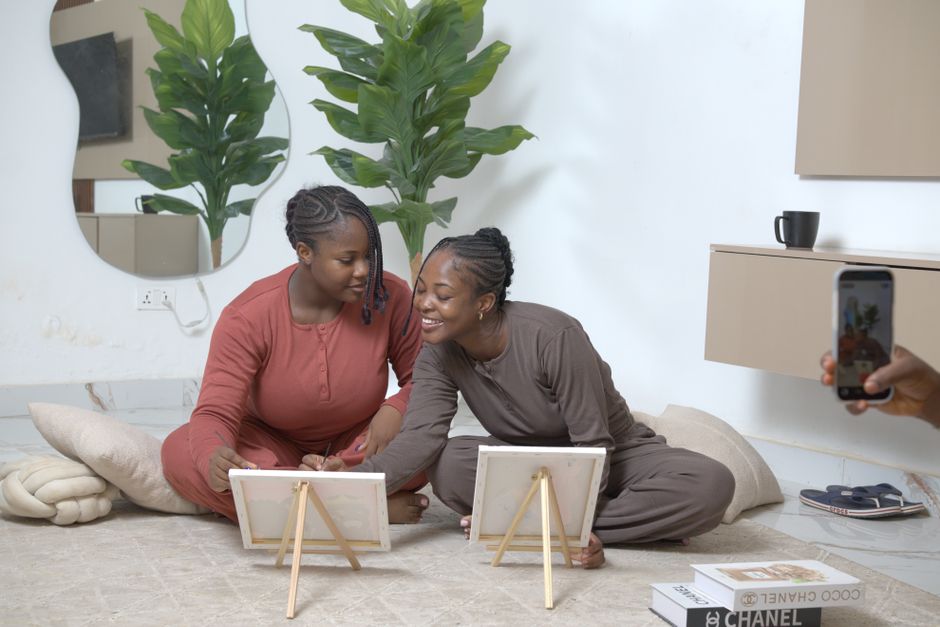
Upcycling is the art of transforming old, unused items into functional and beautiful pieces, and it's a trend that has been gaining momentum globally. In Nigeria, where resourcefulness is a way of life, upcycling can be both a sustainable and economical choice. Whether it's an old wooden chair or a worn-out table, with a little creativity, you can give your furniture a new lease of life.
This guide is your stepping stone into the world of upcycling for your home. Whether you're a seasoned DIY enthusiast or a beginner taking your first steps, this comprehensive guide will show you how to turn old furniture into fabulous new pieces. We'll walk you through the necessary tools and materials and give you practical tips to make your upcycling journey a success.
What is Upcycling?
Upcycling, sometimes called creative reuse, is the process of transforming by-products, waste materials, useless, or unwanted products into new materials or products of better quality or for better environmental value. Unlike recycling, which often processes materials into a lower quality product, upcycling maintains or enhances the original value of the item.
Why Choose Upcycling for Your Home?
There are several benefits of choosing upcycling for your home. First, it is environmentally friendly. By reusing materials, you reduce waste and pollution. Secondly, it's cost-effective. Often, the cost of buying new furniture or home items can be steep, but upcycling allows you to create something new without breaking the bank.
"Upcycling is not just a trend; it's a sustainable way of living that redefines creativity and resourcefulness."
Moreover, upcycling allows you to personalize your home with unique pieces that reflect your style and creativity. No two upcycled items are the same, as each piece tells its own story.
Tools and Materials Needed for Upcycling
Essential Tools
- Sandpaper: Essential for smoothing wooden surfaces.
- Paint Brushes: For applying paint or varnish.
- Screwdrivers and Pliers: Useful for disassembling and reassembling furniture.
- Measuring Tape: Ensures precision in your projects.
- Glue Gun: Perfect for securing materials together.
Choosing the Right Materials
When it comes to materials, the options are vast. You can upcycle with wood, metal, fabric, and more. Your choice will depend on the type of furniture you're working with and the look you want to achieve.
Consider using eco-friendly paints and finishes, which not only protect the environment but also your indoor air quality.
Step-by-Step Upcycling Guide
Selecting the Right Piece
Your first step is to select an item that is sturdy and has potential. Look beyond its current condition and envision what it can become with a little creativity.
Designing Your Project
Plan your design by considering the end use of the item. Sketch out ideas and consider color schemes and styles that will complement your home.
Preparing the Furniture
Before you start painting or decorating, clean and sand the furniture to remove any old paint or varnish and create a smooth surface for the new finish.
Painting and Finishing
Choose your paint and apply it with smooth, even strokes. Once it dries, consider adding a layer of varnish for protection.
Adding the Finishing Touches
Consider adding decorative elements like new handles, fabric, or stencils to enhance the piece's personality.
Creative Upcycling Ideas
Turn an Old Ladder into a Bookshelf
An old wooden ladder can be transformed into a stylish bookshelf or a unique plant holder. Simply sand it down, apply a fresh coat of paint, and secure it to the wall.
Revamp a Worn-Out Table with Mosaic
Use broken tiles to create a colorful mosaic top for an old table. It's a great way to recycle materials and add vibrant color to your space.
Convert a Chest of Drawers into a Kitchen Island
With some paint and a new countertop, a chest of drawers can make a practical and charming kitchen island.
Final Thoughts
Upcycling old furniture is more than just a hobby; it's a way to express your creativity while being kind to the planet. With the right tools, materials, and a bit of imagination, the possibilities are endless. By following this guide, you can start transforming your home into a space that is uniquely yours, filled with personalized pieces that tell your story.