Do you have old fabrics lying around your house, perhaps some Ankara prints or an old adire piece, and you’re not sure what to do with them? Instead of tossing them out, why not transform them into beautiful home décor items? Upcycling is not only a fun and creative way to breathe new life into old materials, but it's also an eco-friendly practice that can enhance the aesthetic of your home. In this article, we’ll explore practical ways to turn your old fabrics into something stylish and useful for your home, specifically tailored for Nigerian households.
With Nigeria's rich textile culture, fabrics can serve as a powerful medium for home decoration. Whether it's an old piece of lace, tie-dye, or even plain cotton, there's a world of possibilities when it comes to upcycling. Imagine creating vibrant table runners, unique cushion covers, or even wall art that reflects your personal style and the rich cultural heritage of Nigeria.
Let’s dive into some exciting DIY projects that will help you transform those forgotten fabrics into cherished pieces. Not only will this add a personal touch to your home, but it will also allow you to revel in the joy of creating something unique with your own hands.
The Art of Fabric Upcycling
Understanding Fabric Types
Before you start your DIY projects, it's essential to understand the types of fabrics you're working with. Nigerian fabrics like Ankara, Aso Oke, and Batik each have unique properties that can influence your crafting decisions.
- Ankara: Known for its vibrant patterns and colors, this 100% cotton fabric is relatively easy to work with and perfect for creating bold and colorful home accents.
- Aso Oke: A hand-woven fabric, it's thicker and more textured, ideal for decorative pieces like throw pillows or wall hangings.
- Batik: With its wax-resistant dyeing process, Batik adds an artistic touch to any décor project. Use it for creating intricate designs on smaller items like coasters or placemats.
"Understanding your fabric is the first step to a successful upcycling project. Choose the right fabric for your intended design."
Tools and Materials Needed
To embark on your fabric upcycling adventure, gather the following tools and materials:
- Scissors and Fabric Cutter
- Needle and Thread or Sewing Machine
- Fabric Glue
- Measuring Tape
- Iron and Ironing Board
- Hot Glue Gun (optional)
Having these essentials handy will ensure a smooth crafting process, allowing you to focus on the creative aspects of your projects.
DIY Project Ideas
Creating Fabric Wall Art
Fabric wall art is a fantastic way to showcase the beauty of Nigerian textiles. Here's how to create your own:
- Select Your Fabric: Choose a fabric with a pattern that you love. Consider the room's color scheme to ensure it complements your existing décor.
- Prepare the Frame: Use a wooden frame or an embroidery hoop. Stretch the fabric tightly over the frame and secure it in place using a staple gun or strong adhesive.
- Finishing Touches: Trim any excess fabric and hang your masterpiece on the wall. Arrange several pieces together for a gallery wall effect.
This project highlights the fabric's design and makes for an eye-catching focal point in any room.
Sewing Custom Cushion Covers
If you have a sewing machine and basic sewing skills, creating custom cushion covers is a wonderful way to revitalize your living space.
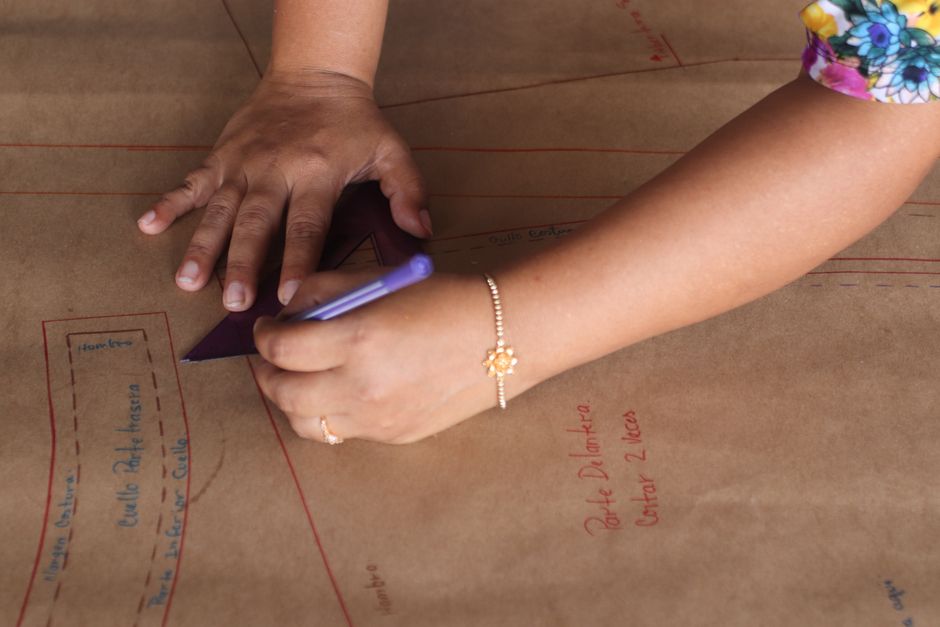
- Measure and Cut: Measure your cushion inserts and cut the fabric accordingly, leaving extra room for seams.
- Sew the Pieces Together: Sew the fabric pieces together, right sides facing, leaving an opening for the insert. Turn the cover inside out, insert the cushion, and sew the opening shut.
- Add Embellishments: For added flair, consider adding buttons, tassels, or contrasting piping.
These personalized cushion covers can instantly add warmth and character to your sofas and chairs.
Benefits of Fabric Upcycling
Environmental Impact
By upcycling old fabrics, you are reducing waste and contributing to a more sustainable environment. Fabrics that would otherwise end up in landfills are repurposed, extending their life and usefulness.
"Upcycling transforms potential waste into valuable, eye-catching home décor that tells a story."
Economic Advantages
Upcycling is cost-effective compared to purchasing new décor items. You save money by using materials you already own, all while creating something uniquely yours.
Additionally, these projects offer an opportunity to develop new skills or refine existing ones, potentially opening doors to new hobbies or even entrepreneurial ventures.
Incorporating Nigerian Culture
Embracing Traditional Patterns
By upcycling fabrics with traditional patterns, you can incorporate elements of Nigerian culture into your home. These pieces not only serve as beautiful décor items but also as conversational pieces that celebrate cultural heritage.
Personalizing Your Space
Every piece of upcycled fabric décor carries personal significance, whether it's a memory, a favorite pattern, or a unique design choice. This personalization makes your home truly yours, reflecting your tastes and personality.
Conclusion
Upcycling old fabrics into home décor is a rewarding process that combines creativity, sustainability, and cultural celebration. Whether you’re sprucing up your space or embarking on a new craft endeavor, the possibilities are endless. With the techniques and projects outlined in this article, you can turn old fabrics into cherished pieces that brighten your home and honor Nigeria’s vibrant textile traditions.
So, gather those old fabrics and let your creativity soar. Transform your home one fabric at a time!