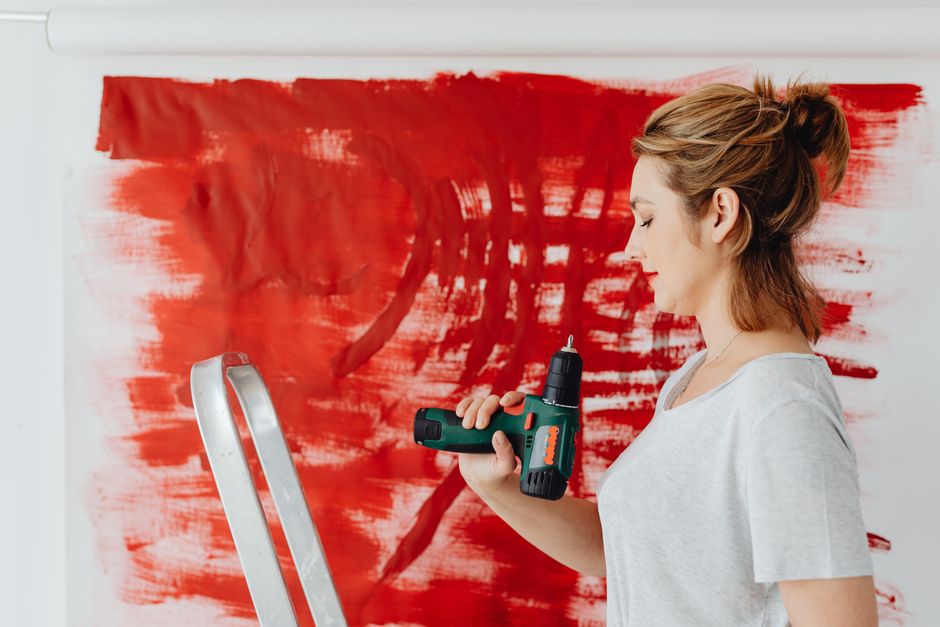
Welcome to Thimeline DIY, where creativity meets home improvement! Today, we're diving into the exciting world of upcycling—specifically, how you can transform old chairs into unique masterpieces right from the comfort of your Nigerian home. Whether you're looking to refresh your living space or add a touch of personal flair, this guide will walk you through all the steps necessary to breathe new life into those forgotten pieces.
Upcycling is not just about being environmentally conscious; it's about unleashing your creativity and making something truly one-of-a-kind. In Nigeria, where the blend of tradition and modernity influences our lifestyles, upcycling offers a way to reflect cultural richness in our homes. So grab your toolbox and let's get started on this rewarding journey!
Selecting the Right Chair
Before you can start your upcycling project, you need to choose the right chair to work on. Look for chairs that are sturdy and have potential for transformation. Avoid pieces that are too damaged, as they might require extensive repairs that could be costly.
Finding Hidden Gems
- Visit local thrift shops or markets like the popular Yaba Market in Lagos to find affordable options.
- Ask family members or friends if they have any chairs they no longer need.
These sources often have hidden gems that just need a little TLC to shine again.
Assessing Condition and Materials
- Check the structural integrity—ensure the legs and frame are sturdy.
- Examine the material; wooden chairs are often the most versatile for upcycling.
Once you've selected a chair, it's time to move on to the planning phase.
Planning Your Design
Planning is crucial to the success of any upcycling project. Visualize how you want the final product to look and function. Will it be a statement piece or a functional addition to your home?
Inspiration and Sketching
Gather inspiration from online platforms or Nigerian home decor magazines. Create a sketch to help you visualize the end product and guide your project.
"A well-planned design is like a roadmap; it helps you stay on track and achieve your creative goals."
Color and Material Selection
Choose colors that complement your existing decor. Consider using locally sourced materials for a unique touch.
- Paint or stain for wooden parts
- Fabrics for upholstery
- Decorative elements like beads or carvings
By carefully selecting these elements, you ensure your chair will harmonize with your home's aesthetic.
Gathering Tools and Materials
Having the right tools and materials can make or break your project. Before starting, gather everything you'll need to avoid unnecessary delays.
Essential Tools
- Sandpaper or a sander for smoothing surfaces
- Paintbrushes and rollers for applying paint
- Screwdriver and hammer for minor repairs
These tools are essential for a successful upcycling project.
Materials to Consider
Depending on your design, you may need:
- Primer and paint for wood surfaces
- Fabric and foam for reupholstering
- Wood glue and nails for repairs
With these lined up, you're ready to start transforming your chair!
The Upcycling Process
This is where the magic happens! Follow these steps to turn your old chair into a masterpiece.
Preparation
- Remove any old paint or varnish using sandpaper.
- Disassemble parts if necessary to make the painting easier.
A well-prepared surface ensures a smooth finish.
Execution
- Apply primer to the wood to help the paint adhere better.
- Paint in multiple thin layers rather than one thick layer to avoid drips and uneven surfaces.
Patience is key during this phase to achieve a professional look.
Finishing Touches
Add any decorative elements you've chosen, like new upholstery or hand-painted designs. Let your creativity shine!
"The details are not the details; they make the design." - Charles Eames
Caring for Your Upcycled Chair
Once your chair is complete, you'll want to take care of it to ensure it lasts for years to come.
Regular Maintenance
- Dust and clean regularly using a soft cloth.
- Reapply varnish or paint as needed to maintain its appearance.
These small steps can extend the life of your upcycled chair.
Handling Wear and Tear
It's natural for furniture to show signs of use over time. Address minor issues as they arise to keep your piece looking fresh.
Conclusion
Upcycling chairs can be a fulfilling and creative endeavor that not only refreshes your home decor but also supports sustainable living. With a little imagination and effort, you can turn a forgotten piece of furniture into a unique masterpiece that reflects your personal style. So why not start your upcycling project today and enjoy the pride that comes with crafting something beautiful with your own hands?