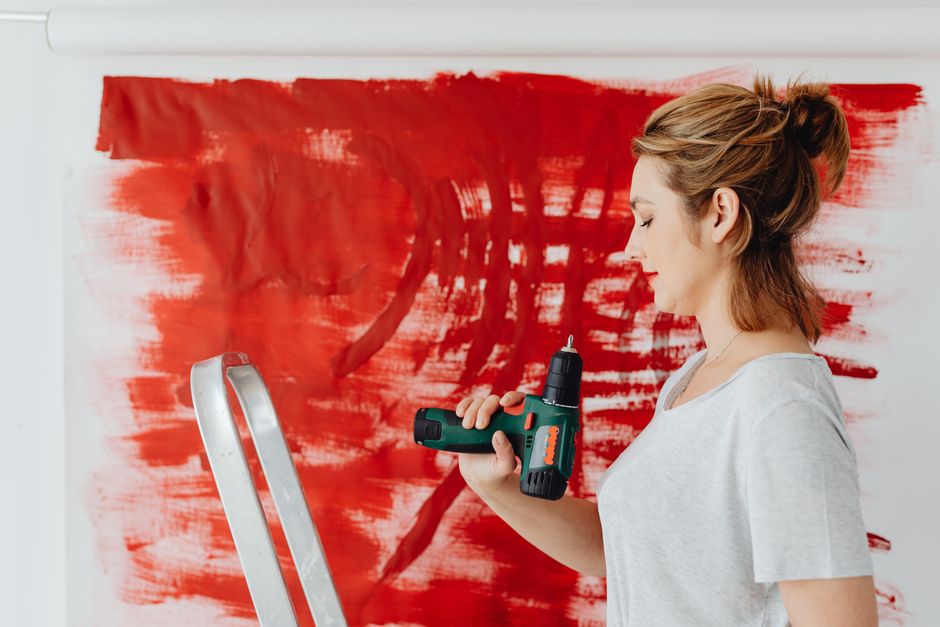
Wall repairs can often seem daunting, especially when a crack or hole suddenly appears. But fear not! With the right guidance and tools, fixing these minor but unsightly problems is well within your reach. Whether you're living in the hustle and bustle of Lagos or the quieter parts of Nigeria, maintaining the walls of your home can significantly enhance its value and aesthetics. In this DIY guide, we'll walk you through practical wall repair techniques that are not only cost-effective but also beginner-friendly. So grab your tools, roll up your sleeves, and let's transform those walls into smooth canvases.
Understanding Common Wall Issues
Cracks in the Wall
Cracks can appear due to various reasons, such as settling foundations or temperature fluctuations. These are not just eyesores but can also lead to more severe structural issues if left unchecked.
- Identify the type of crack: Hairline cracks or larger structural cracks.
- Assess the cause: Check for water leaks or foundation shifts.
Holes and Dents
Accidental holes from nails or furniture and dents are common in homes with kids or during moving. These can disrupt the aesthetic of your room but are usually easy to fix.
- Evaluate the size: Small nail holes require different treatments than large dents.
- Gather the right materials: You'll need spackle or drywall compound.
Essential Tools and Materials
Tools You'll Need
Having the right tools is half the battle won. Here’s a checklist to ensure you're well-equipped:
- Putty knife
- Sandpaper (medium and fine grit)
- Utility knife
- Paintbrush or roller
Materials for Wall Repair
Alongside tools, having the appropriate materials can make your task easier and more efficient.
- Spackle or joint compound
- Primer and paint
- Patch kits
- Mesh tape for larger cracks
Step-by-Step Wall Repair Guide
Repairing Cracks
Even though cracks might seem intimidating, they are manageable with the right approach.
- Clean the affected area: Remove any loose debris or paint around the crack.
- Apply mesh tape: For larger cracks, apply mesh tape to reinforce the area.
- Fill with compound: Use a putty knife to apply joint compound over the tape.
- Sand smooth: Once the compound is dry, sand it smooth to blend with the wall surface.
"Patience is key. Allow each layer of compound to dry before applying the next."
Fixing Holes and Dents
Holes, whether from nails or accidents, can be expertly concealed with these steps:
- Prepare the hole: Remove any loose material and clean the area.
- Fill the hole: Use spackle for small holes or a drywall patch for larger ones.
- Sand the area: Once dry, sand the area until it's flush with the wall.
- Prime and paint: Apply primer before painting to ensure a uniform finish.
Painting for a Perfect Finish
Choosing the Right Paint
Selecting the correct type and color of paint is crucial for a seamless repair.
- Match the existing color: Use leftover paint or get a small sample matched from the store.
- Consider finishes: Flat finishes for ceilings and semi-gloss for high-traffic areas.
Application Techniques
Painting is an art, and the technique you use can make a world of difference.
- Use a primer: This helps the paint adhere better and appear more vibrant.
- Apply multiple coats: Two to three thin coats are better than one thick one.
- Maintain a wet edge: Work quickly to avoid visible lap marks.
Common Mistakes to Avoid
Over-sanding
While sanding is crucial, too much can damage the repaired area and create uneven surfaces.
- Use gentle pressure: Let the sandpaper do the work.
- Check your progress often: Stop sanding as soon as the surface is smooth.
Ignoring Underlying Issues
Repair is a temporary solution if you don't address the root cause of the damage.
- Investigate thoroughly: Look for signs of leaks, pests, or structural issues.
- Consult a professional: If you suspect severe damage, it's best to get expert advice.
Conclusion
Wall repairs might seem like a herculean task, but with these steps, you can transform your walls without needing professional help. By understanding the issues, choosing the right tools, and applying these techniques, you can ensure your home remains beautiful and structurally sound. So, the next time you notice a crack or hole, you'll know just what to do to restore your walls to their former glory.