As a homeowner in Nigeria, mastering the art of DIY home repairs can be both a rewarding and cost-effective venture. Whether it's fixing a leaky tap in your Lagos apartment or patching a wall in your cozy Ibadan home, knowing how to handle basic repairs yourself can save you a significant amount of money on professional services. DIY home repairs not only empower you but also allow you to maintain and improve your home at your own pace. This guide will walk you through essential repairs, tools you'll need, and tips to get started, ensuring that your DIY journey is smooth and successful.
The charm of Nigerian homes lies in their unique blend of traditional and modern elements. However, when something goes wrong, the blend can present unique challenges. Whether you're dealing with power outages that disrupt your living space or plumbing issues that threaten to flood your kitchen, having the skills to tackle these problems head-on can be invaluable. Let's dive into some of the most common DIY home repairs and how you can master them.
Essential Tools for DIY Home Repairs
Building Your Basic Tool Kit
Before you start any DIY home repair, it's crucial to have the right tools on hand. A well-stocked toolkit is the foundation of any successful DIY project. Here are the basic tools every Nigerian DIY enthusiast should have:
- Hammer: Essential for driving nails, removing nails, and general repair work.
- Screwdriver Set: Both flat-head and Phillips-head are necessary for turning screws in various appliances and furniture.
- Adjustable Wrench: Perfect for plumbing work and adjusting nuts and bolts.
- Pliers: Useful for gripping, bending, and cutting wires.
- Measuring Tape: Accurate measurements are key to any project, big or small.
- Utility Knife: Great for cutting, trimming, and scoring materials.
Advanced Tools for More Complex Repairs
Once you have mastered basic repairs, you may want to tackle more complex projects. Consider adding these advanced tools to your collection:
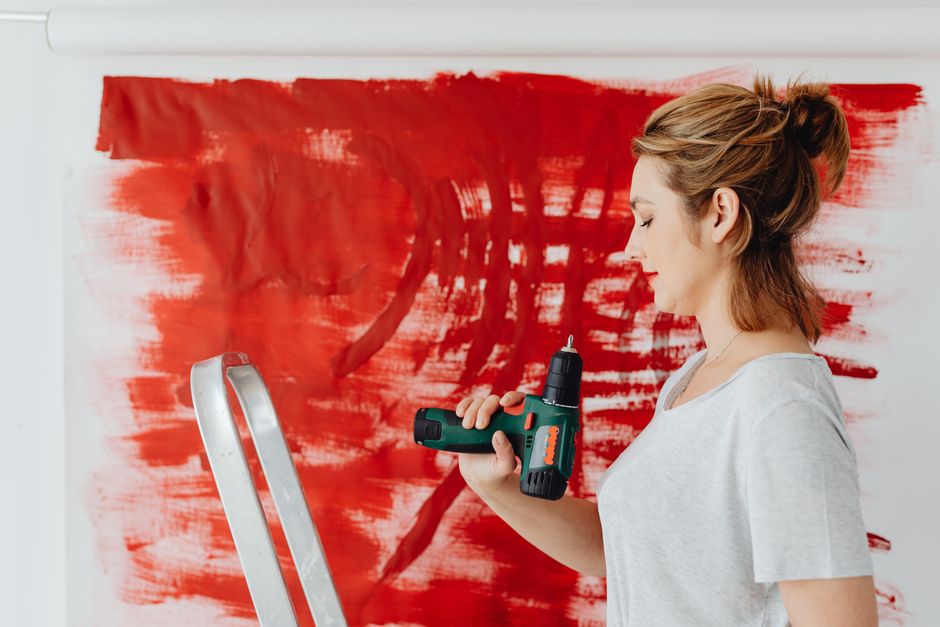
- Power Drill: Makes drilling holes and driving screws faster and easier.
- Multimeter: Essential for troubleshooting electrical issues safely.
- Saw: A hand saw or power saw is necessary for cutting wood or other materials.
- Spirit Level: Ensures everything you install is perfectly horizontal or vertical.
Common DIY Home Repairs
Fixing Leaky Faucets
Leaking faucets are not only irritating but also waste a significant amount of water. To fix a leaky faucet:
- Turn off the water supply to the faucet to prevent further leaks.
- Disassemble the faucet handle using a screwdriver and remove the old washer.
- Replace with a new washer and reassemble the faucet.
- Turn on the water supply and test for leaks.
With this simple process, you can stop the drip and save on your water bill.
Repairing Cracked Walls
Cracks in walls are common in many Nigerian homes due to humidity and settling foundations. Here's how to address them:
- Clean the crack of any debris or loose material.
- Fill the crack with a suitable filler and smooth it with a putty knife.
- Once dry, sand the area to ensure it's level with the wall.
- Finish with a coat of paint to match the surrounding area.
Pro tip: For larger cracks, consider using a reinforcing mesh tape before applying filler for added durability.
Dealing with Plumbing Issues
Unclogging Drains
Clogged drains are a nuisance that can disrupt your daily routine. Here's a simple way to unclog them:
- Boil a kettle of water and pour it down the clogged drain.
- Use a plunger to create suction and dislodge the blockage.
- If the clog persists, use a drain snake to remove stubborn debris.
This method often resolves minor clogs without the need for harsh chemicals or professional plumbers.
Electrical Repairs: Safety and Simplicity
Replacing a Light Fixture
Changing a light fixture might seem daunting, but with the right steps, it's manageable and safe:
- Turn off the power supply at the circuit breaker.
- Remove the old fixture by unscrewing it from the ceiling.
- Connect the wires of the new fixture to the corresponding wires in the ceiling.
- Secure the fixture and turn the power back on to test.
Ensure you follow all safety precautions to avoid electrical hazards.
Final Thoughts
Mastering DIY home repairs is not just a cost-saving strategy but also a fulfilling hobby that empowers you to maintain and enhance your living space. With the right tools and knowledge, you can confidently tackle various home repair challenges. Remember, every successful repair is a step toward becoming more self-reliant and resourceful. Happy repairing!