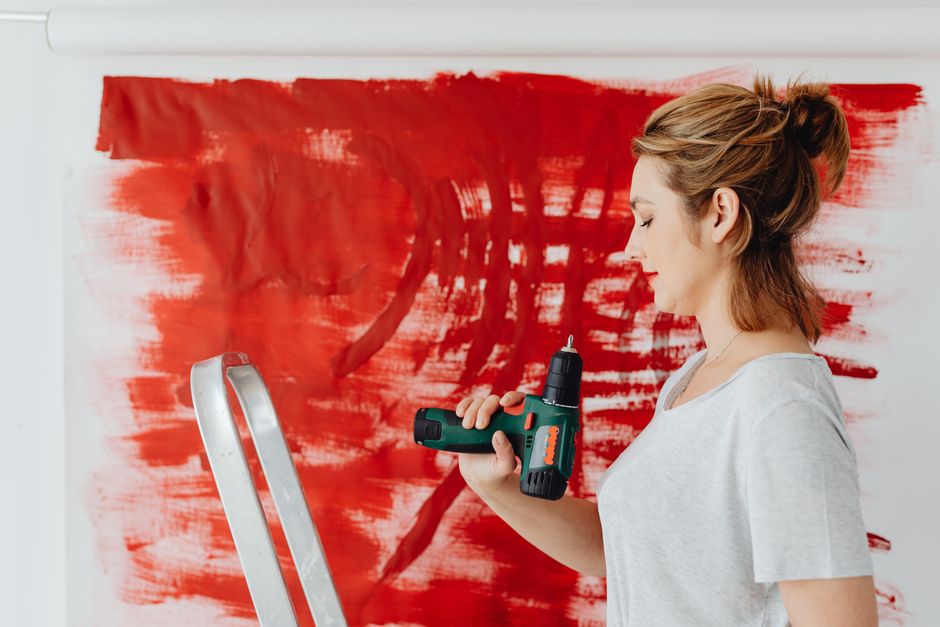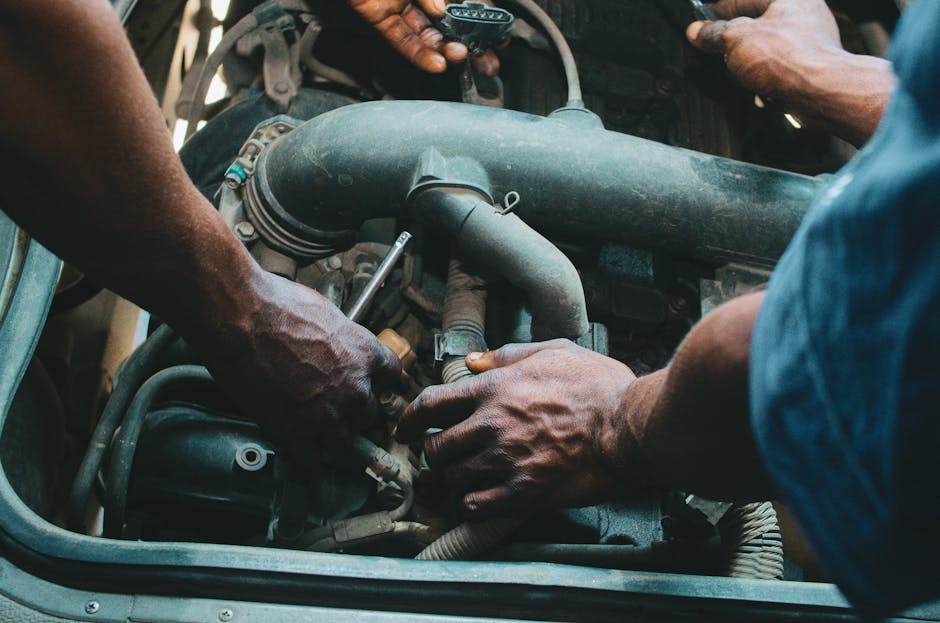
In Nigeria, where we are known for our ingenuity and resourcefulness, the ability to make basic home repairs is a valuable skill. Whether it's fixing a leaky tap, patching a cracked wall, or replacing a worn-out socket, these tasks are not only cost-effective but can also be quite satisfying. This guide will take you through various essential home repairs, equipping you with the knowledge and confidence you need.
Imagine having a dripping tap that's raising your water bill, or a broken door handle that makes entering a room a hassle. These are common issues, but with a few tools and some guidance, they can be resolved quickly and efficiently. By learning how to handle these repairs, you can significantly improve your living conditions and even add value to your home.
In this comprehensive guide, we'll explore the tools you'll need, step-by-step instructions for common repairs, and tips on maintaining these fixes long-term. Let's roll up our sleeves and dive into the world of DIY home repairs!
Essential Tools for Home Repairs
Basic Tools Every Home Should Have
Having a well-stocked toolbox is the first step to being prepared for any home repair task. Here are some essential tools:
- Hammer: Useful for driving nails into walls or assembling furniture.
- Screwdrivers: Both flat-head and Phillips are necessary for various screw types.
- Adjustable Wrench: Perfect for plumbing tasks and tightening bolts.
- Pliers: Handy for gripping, twisting, or cutting wires.
- Measuring Tape: Essential for precise measurements.
- Utility Knife: Great for cutting materials like drywall or tape.
"A well-equipped toolbox is as essential as running water in Nigerian homes."
Investing in Quality Tools
While it might be tempting to buy the cheapest tools available, investing in quality can save you money in the long run. High-quality tools are more durable and perform better, making your repair jobs easier and more efficient.
Common Home Repairs and How to Fix Them
Fixing a Leaky Tap
A dripping tap is not just annoying; it can also waste a significant amount of water. Here's how you can fix it:
- Turn off the Water Supply: This is crucial to prevent further leakage.
- Remove the Tap Handle: Use a screwdriver to loosen and remove the handle.
- Replace the Washer: This is often the cause of leaks. Swap it out with a new one.
- Reassemble the Tap: Put everything back in place and turn the water supply back on.
- Test for Leaks: Turn the tap on and off to ensure the leak is fixed.
"Fixing a leaky tap is a simple task that saves water and reduces bills."
Patching a Cracked Wall
Cracks in walls can be unsightly and grow over time. Here's how to patch them effectively:
- Clean the Crack: Remove any loose debris using a brush.
- Apply Patching Compound: Use a putty knife to fill the crack, smoothing it out as you go.
- Sand the Surface: Once the compound is dry, sand it down so it's flush with the wall.
- Paint the Area: Touch up with paint to match the rest of the wall.
Maintaining Your Home Repairs
Regular Inspections
One of the best ways to avoid major repairs is to conduct regular inspections. Look for signs of wear and tear in your home every few months.
- Check for Leaks: Inspect faucets and pipes regularly.
- Inspect Electrical Outlets: Ensure there are no loose connections or burn marks.
- Examine Walls and Ceilings: Look for cracks or water stains.
Quick Fixes and Temporary Solutions
Sometimes you need a quick fix before you can get to a proper repair. Here's how you can manage short-term solutions:
- Use Sealant Tape: Great for temporarily stopping leaks in pipes.
- Patch Kits: Available for walls and ceilings for a temporary cover-up.
- Electrical Tape: Good for covering exposed wires until a proper fix can be made.
When to Call in the Professionals
Recognizing Your Limits
While DIY is empowering, knowing when to call a professional can save time and money in the long run. Complex jobs like structural repairs, electrical wiring, or major plumbing tasks often require professional expertise.
"A skilled professional can turn potential disasters into minor inconveniences."
Choosing the Right Professional
When hiring a professional, consider these tips:
- Check Credentials: Ensure they are licensed and insured.
- Ask for References: Previous clients can provide insight into their quality of work.
- Get Multiple Quotes: This ensures you get a fair price for the service.
Conclusion
Mastering basic home repairs is a rewarding endeavor that not only saves money but also gives you a sense of accomplishment. With the right tools, knowledge, and a bit of patience, you can tackle a variety of home repair tasks. Whether you're fixing a leaky tap or patching a cracked wall, these skills are invaluable in maintaining the comfort and value of your home. Remember, while DIY repairs are great, knowing when to call a professional is equally important.
So next time you find yourself facing a home repair issue, approach it with confidence and the knowledge that you can handle it like a pro!