Welcome to the world of DIY home repairs! Whether you're a homeowner in bustling Lagos or a tenant in serene Enugu, mastering basic home repair skills is invaluable. When your tap is leaking or your light fixture is flickering, knowing how to handle these minor issues can save you time, money, and stress. DIY repairs not only empower you but also equip you to maintain a comfortable and safe living environment. In this guide, we’ll explore essential home repair skills tailored for Nigerian homes.
Understanding the fundamentals of home repair can be transformative. Imagine the satisfaction of fixing a leaking faucet, replacing a broken tile, or even resolving minor electrical issues yourself! With the right tools and guidance, you can handle these tasks with confidence. Our mission is to demystify these everyday challenges and provide you with the knowledge needed to tackle them head-on.
Whether you live in a modern apartment in Lagos or a traditional home in the heart of Ibadan, the principles of home repair remain consistent. Let's dive into the practical world of home repairs, where you become the expert!
Essential Tools for Home Repairs
Basic Tools You Must Have
- Hammer: A versatile tool for nailing and minor demolition tasks.
- Screwdrivers: Both flat and Phillips types for versatile use.
- Measuring Tape: Essential for accuracy in any repair task.
- Pliers: Useful for gripping, cutting, and bending wires.
- Adjustable Wrench: Perfect for plumbing and other mechanical tasks.
Having these tools at your disposal can make a world of difference when a repair need arises. They are the backbone of any home repair project, providing the functionality needed to address most basic issues.
Advanced Tools for Serious DIYers
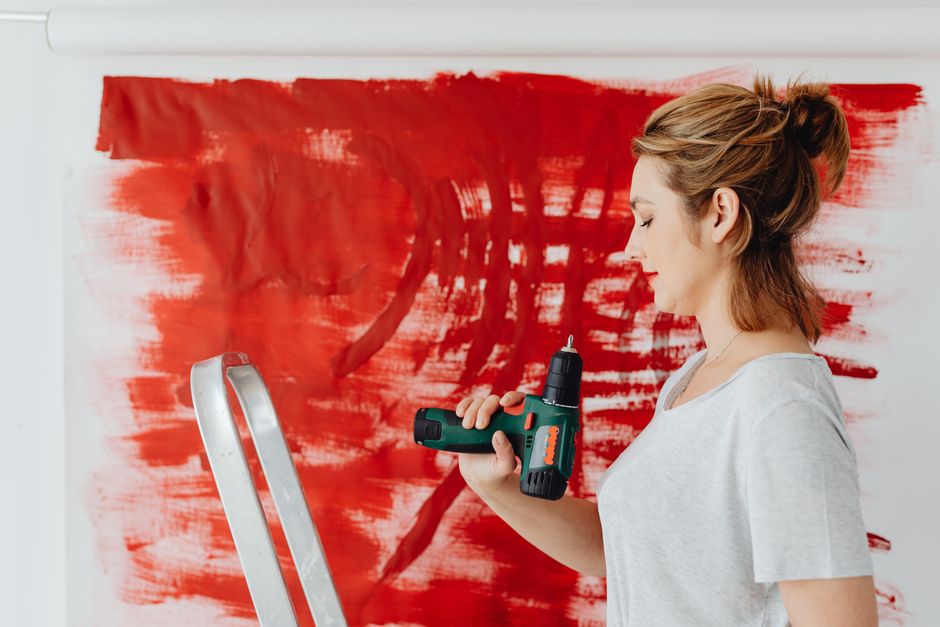
- Power Drill: Speeds up tasks and is essential for heavier duty projects.
- Stud Finder: Finds studs behind walls for safe hanging and mounting.
- Voltage Tester: Ensures safety by detecting live wires.
"Having the right tools is the first step to becoming a home repair master."
Investing in these advanced tools is a smart choice for those serious about DIY home repairs, paving the way for more complex projects.
Common Plumbing Repairs
Fixing a Leaky Tap
A leaky tap is not just an annoyance but can also inflate your water bill. Here’s a simple way to fix it:
- Turn off the water supply.
- Remove the tap handle using a flathead screwdriver.
- Replace the washer inside with a new one of the same size.
- Reassemble the tap and turn the water supply back on.
With this straightforward process, you can save water and reduce unnecessary costs.
Unclogging a Drain
Clogged drains can disrupt your daily routine. Here’s a DIY solution:
- Pour boiling water down the drain.
- Use a mixture of baking soda and vinegar to break down the clog.
- After 15 minutes, flush it with hot water again.
This natural remedy is effective and avoids harsh chemical cleansers.
Basic Electrical Repairs
Changing a Light Fixture
Whether for aesthetics or necessity, changing a light fixture doesn't have to be daunting:
- Turn off the power at the circuit breaker.
- Remove the old fixture by unscrewing it.
- Connect the new fixture’s wires following color codes.
- Screw in the new fixture and restore power.
Remember, safety comes first. Always ensure the power is off before starting any electrical work.
Replacing a Faulty Switch
A faulty switch can be a minor yet bothersome issue. Here's how to replace it:
- Turn off the power to the switch from the circuit breaker.
- Unscrew the existing switch plate and remove the old switch.
- Connect the new switch wires to the terminals.
- Secure the new switch with screws and turn the power back on.
"Electricity doesn’t have to be intimidating. Proper precautions make all the difference."
With patience and care, electrical repairs can be tackled safely and efficiently.
Maintaining Your Home’s Exterior
Repairing Cracked Walls
Cracks in walls are common in Nigerian homes due to weather conditions. Here’s a quick fix:
- Clean the crack with a wire brush.
- Fill it with a sand and cement mix.
- After drying, sand it smooth and apply paint for a seamless finish.
Mending these cracks not only improves appearance but also prevents further damage.
Fixing Broken Tiles
Replacing a broken tile is easier than it seems:
- Carefully remove the broken tile with a chisel and hammer.
- Apply tile adhesive to the floor with a notched trowel.
- Place the new tile and press it down firmly.
- Grout the edges to finish the job.
This not only restores the beauty of your floor but also ensures safety.
Final Thoughts
Home repairs can feel overwhelming, especially without prior experience. But with the right tools, knowledge, and a bit of courage, you can tackle most home repair challenges head-on. These repair skills not only enhance your living space but also offer a sense of accomplishment and empowerment. Remember, even the grandest of journeys begin with a single step—start small, and soon, you’ll be a master of home repairs, ready to tackle whatever challenge your home throws your way.