Upcycling is more than just a buzzword; it's a revolution in how we approach home decor, especially for those of us in Nigeria looking to save money and add a personal touch to our living spaces. Imagine turning an old, worn-out piece of furniture gathering dust in the corner of your house into a stunning, bespoke item that will catch the eye of anyone who enters. With a few simple tools and a dash of creativity, upcycling offers endless possibilities to reinvent your home furniture.
In this guide, we’ll explore the art of upcycling your old furniture. We'll discuss the needed tools and materials, walk through some practical projects, and offer tips for overcoming common challenges. Whether you're a seasoned DIY enthusiast or a newbie looking to try your hand at something new, this guide is your gateway to transforming your home environment.
Understanding Upcycling: The Basics
What is Upcycling?
Upcycling involves creatively reusing old items to create new, improved versions. Unlike recycling, which breaks down materials, upcycling preserves the integrity of the original pieces, adding value through design and functionality. It's an eco-friendly way to refresh your surroundings, reduce waste, and unleash your artistic flair.
Why Upcycle?
- Cost-Effective: Upcycling can save you a significant amount of money that would otherwise be spent on new furniture.
- Eco-Friendly: By reusing materials, you're contributing to less waste in landfills.
- Customization: Create furniture pieces that perfectly fit your style and needs.
Essential Tools and Materials
Tools You'll Need
- Paintbrushes and Rollers: For applying paints and finishes.
- Sandpaper or Electric Sander: To smooth and prepare surfaces.
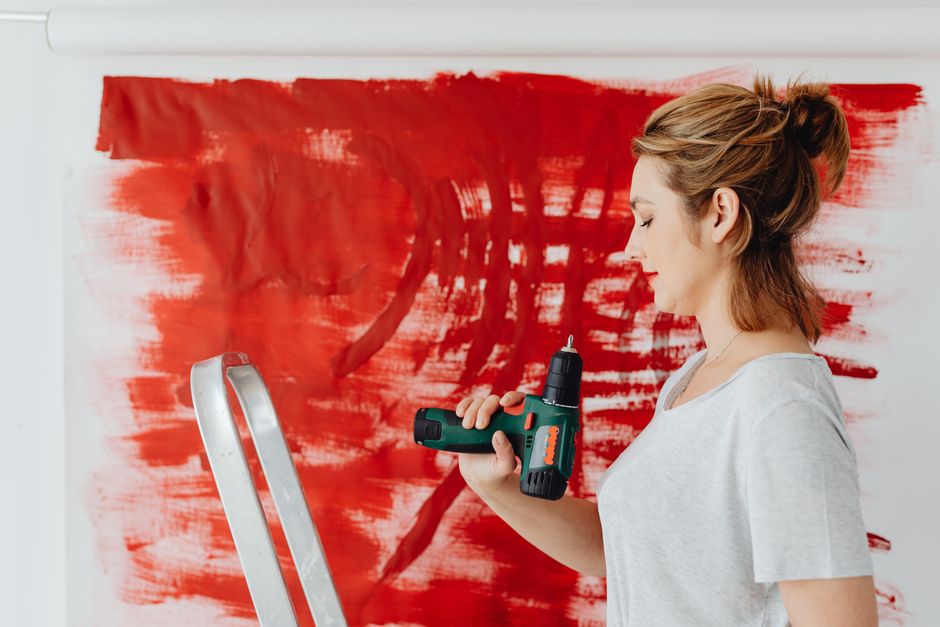
- Drill and Screwdriver Set: For assembling and disassembling.
- Measuring Tape: To ensure precise dimensions.
Materials to Consider
- Paint and Varnishes: Select based on the finish you desire.
- Fabric and Upholstery: Great for chairs and sofas.
- Wood Adhesives: For bonding and fixing.
Creative Upcycling Ideas for Nigerian Homes
Transforming a Dull Bookshelf
A bookshelf can be more than just a place to store books. With some paint and a few decorative elements, you can turn it into a colorful focal point that reflects your personality.
"By painting the back panels in a contrasting color, you can add depth and interest to the overall look."
Revamping Old Dining Chairs
Old dining chairs can easily become new favorites with the addition of fresh upholstery and a coat of paint. Choose fabrics that are both durable and visually appealing to complement your dining area.
Overcoming Common Upcycling Challenges
Dealing with Damaged Surfaces
One challenge of working with old furniture is addressing damaged surfaces. This can often be resolved with wood fillers and sandpaper. If the damage is too severe, consider covering it with new materials.
Ensuring Stability
Old furniture may sometimes be unstable due to age. Reinforcing joints and adding extra support can enhance durability and safety.
Final Thoughts
Upcycling is a rewarding DIY project that not only benefits your home but also the environment. By following these steps and letting your creativity flow, you can transform your space into a unique reflection of your style. Remember, the key is to see the potential in the old and the worn and to let your imagination take the lead.